Layered Landscape

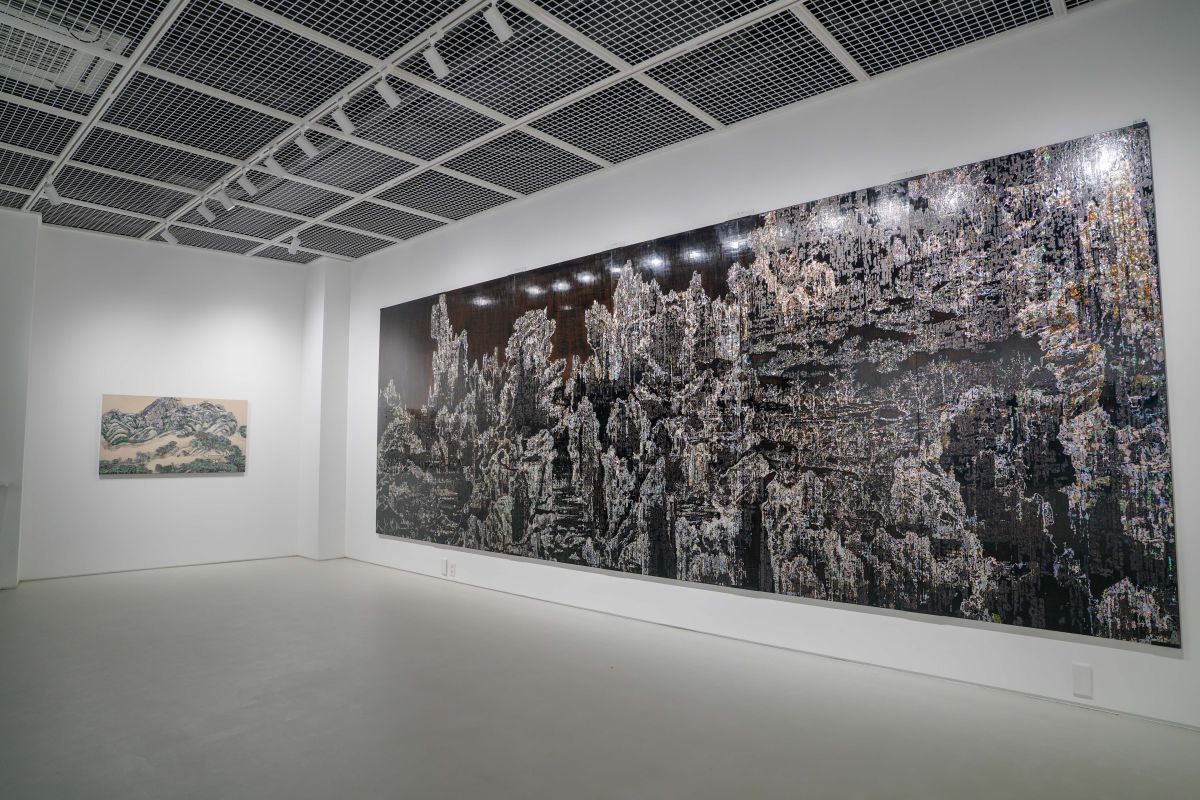
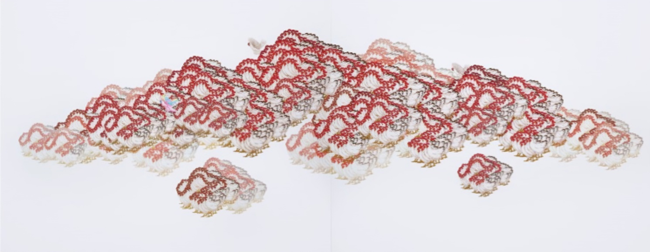
Gyerimdowondo, acrylic on canvas, 130.3×324.4cm, 2024


OMAE Gallery is pleased to present a solo exhibition by an artist who blurs the boundaries between traditional Eastern and Western approaches to landscape painting. Rooted in the aesthetics of Korean sansuhwa (landscape painting), the artist reinterprets this classical form through Western materials and contemporary methods, using overlapping depictions of animals and dispersed perspective techniques. At first glance, the paintings may appear as serene mountain landscapes ablaze with autumn foliage, mist, and granite ridges—but upon closer inspection, the viewer discovers a densely packed mass of chickens, their red combs and brown tails transforming into mountain ridgelines and fog. This ironic layering invites a deeper reflection on mass consumption, visibility, and value.


The exhibition’s centerpiece, Gyerimdowondo, presents a landscape composed solely of animals, devoid of trees, mountains, or clouds. By depicting what is traditionally considered unaesthetic—or even overlooked—as something beautiful, the artist challenges fixed notions of beauty. What defines the boundary between the beautiful and the unbeautiful? Through this unconventional approach, the artist offers a deeply personal meditation on perception and invites viewers to reconsider their own understanding of aesthetic value in contemporary life.


Total Chaos

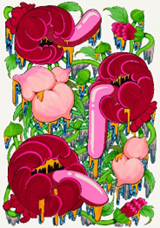
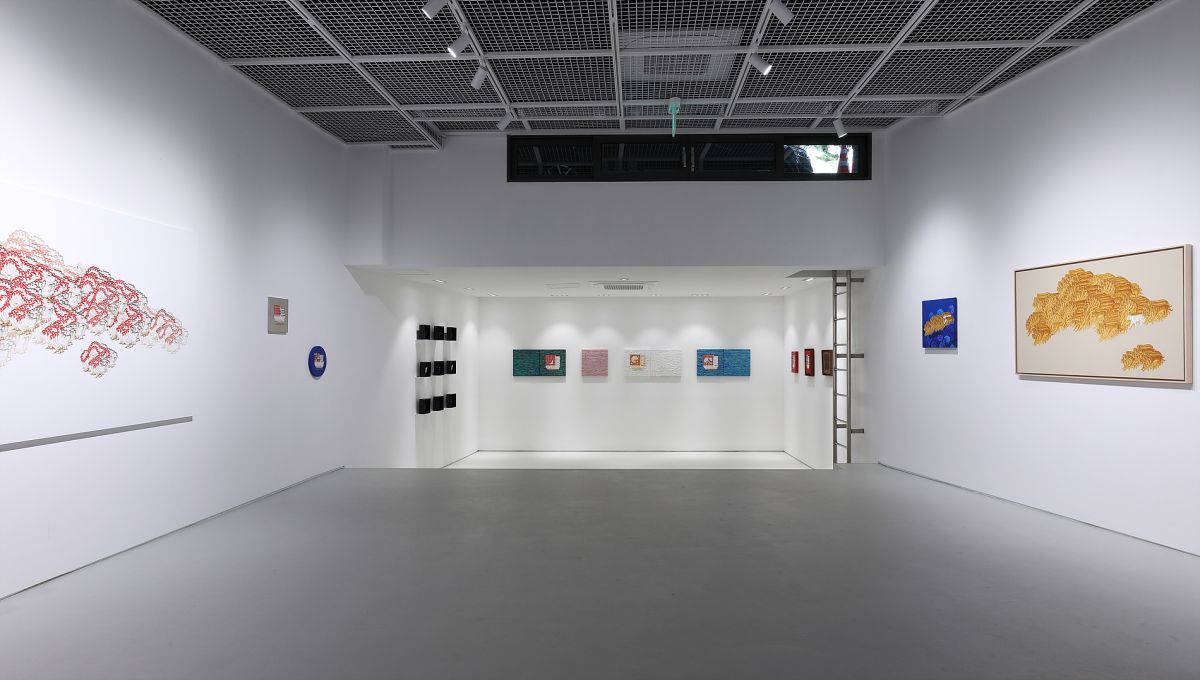
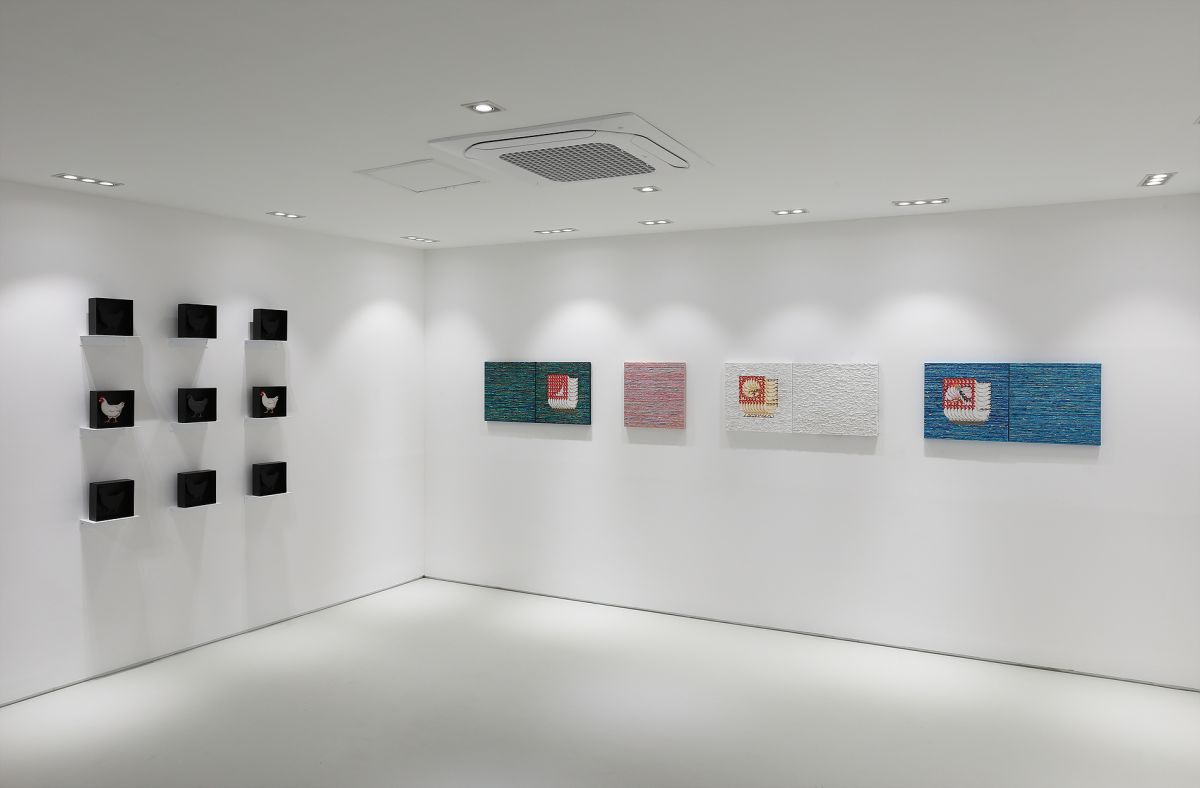
OMAE Gallery invites you to a bold and provocative exhibition that embraces the chaotic beauty of our times through the lens of tradition and subversion. Titled Asaripan, a term rooted in Buddhist language yet widely used in contemporary Korean to describe utter disorder, the exhibition draws from the artist’s redefinition of today’s layered and undefinable reality. In a world entangled in multiplicity and contradiction, the artist claims “asaripan” as a fitting metaphor—where noise, confusion, and freedom coexist without a clear center or direction.


Inspired by the playfulness and visual freedom of Korean folk painting (minhwa), the artist engages in a deliberate embrace of inconsistency, unstructured narratives, and unfiltered expression. The works do not seek coherence but instead find strength in spontaneity, disorder, and improvisation—treating chaos not as collapse but as a space of generative energy. This exhibition invites viewers to navigate a visual terrain where meaning is fluid, rules are suspended, and the joy of the unexpected reigns.


Time to Find Myself

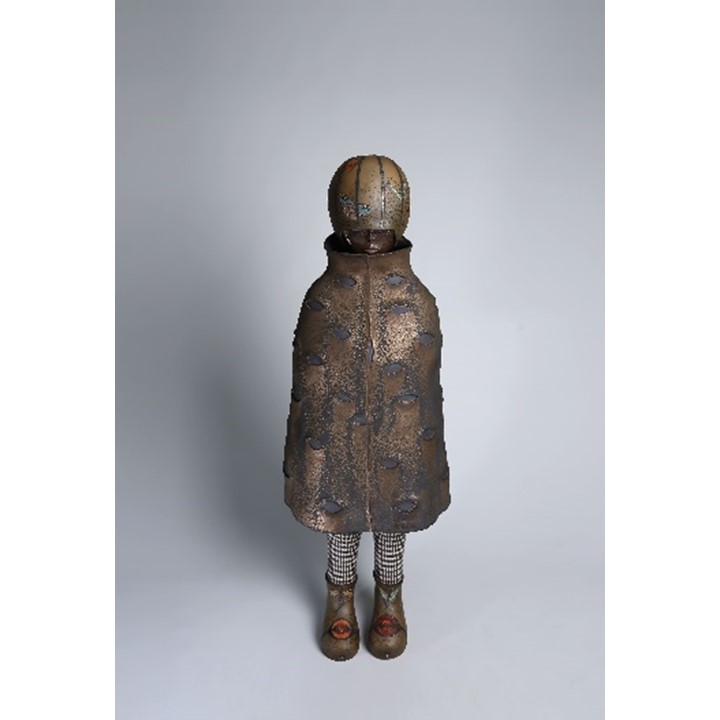
OMAE Gallery invites you to an exhibition that explores the complex emotional terrain between the self and others, and the deeply personal journey of reclaiming identity within that space. The artist confronts the tensions and emotional contradictions born from human relationships—those inevitable moments when the image imposed by others clashes with one’s true self, resulting in feelings of anxiety, isolation, and disconnection. Rather than resisting these conflicts, the artist acknowledges them as essential experiences and seeks to transform them into a path of self-awareness and growth. The exhibition asks: how do we preserve our authenticity in a world shaped by expectations? And how do we navigate the thin line between freedom and limitation?


Through a series of sculptural works crafted from porcelain and vividly painted with pictorial narratives, the artist gives visual form to an invisible inner world—one shaped by thoughts and emotions that arise in everyday encounters. The figures portrayed embody quiet resilience, accepting the gaze of others while continuing to move inward toward a more autonomous self. By embracing the contradictions of reality, these works offer a process of healing and self-reclamation, illustrating the effort to find personal truth and meaning amidst the chaos of modern relationships. This exhibition is an invitation to reflect, to recognize, and perhaps to begin your own journey toward wholeness.

The Deep Glow of Lacquer

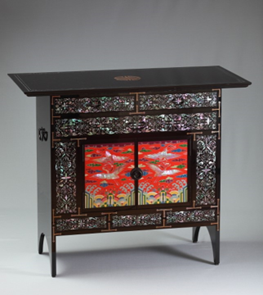
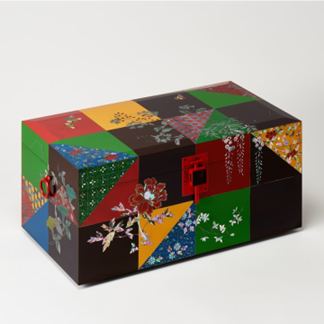
OMAE Gallery is pleased to present a special exhibition of mother-of-pearl lacquerware by master artisan Mansoon Park, whose works beautifully bridge tradition and contemporary living. From elegant head cabinets to finely crafted vessels, Park’s creations are not only functional objects, but also artworks meant to be appreciated in daily life. His refined craftsmanship, rooted in Korea’s rich heritage of najeon chilgi (mother-of-pearl lacquerware), brings timeless aesthetics into the modern home.


Among the highlights is a cabinet featuring the traditional “Flying Crane Rank Badge” motif, meticulously built with a wooden frame and layered with lacquer, earthenware powder, hemp cloth, mother-of-pearl, and gold powder. The harmony of material, symbolism, and masterful execution invites viewers into a deeper appreciation of lacquer’s depth and glow. We warmly invite you to step into the profound and radiant world of Mansoon Park’s lacquer art.

Alter Ego

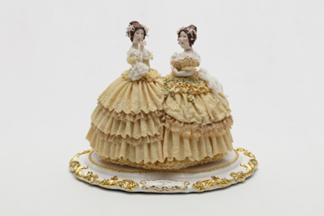
OMAE Gallery is delighted to present a solo exhibition by Juju Kim, whose ceramic sculptures explore the concept of disguise as a form of self-transformation. Through the artist’s work, secret imaginings of becoming someone else are given form—transcending time and space. Drawing inspiration from the tradition of portraiture as a historical and cultural record, Kim reinterprets the genre by embedding contemporary iconography into classical forms. Her sculptural portraits, layered with coded references to both past and present, reflect not only specific identities but also collective self-images—perhaps even our own.


One of the most striking elements of Kim’s work lies in her innovative Fabric Porcelain technique, developed since 2019. By applying clay slip to textiles and firing them at 1250°C, the fiber burns away, leaving behind ceramic garments that retain the soft, flowing textures of fabric. These porcelain robes evoke the costumes of historical figures, merging Eastern and Western dress traditions across eras. With this technique, Juju Kim expands the expressive language of contemporary ceramic art—transforming clay, one of humanity’s oldest creative materials, into a medium of timeless storytelling and cultural hybridity.

National Treasure

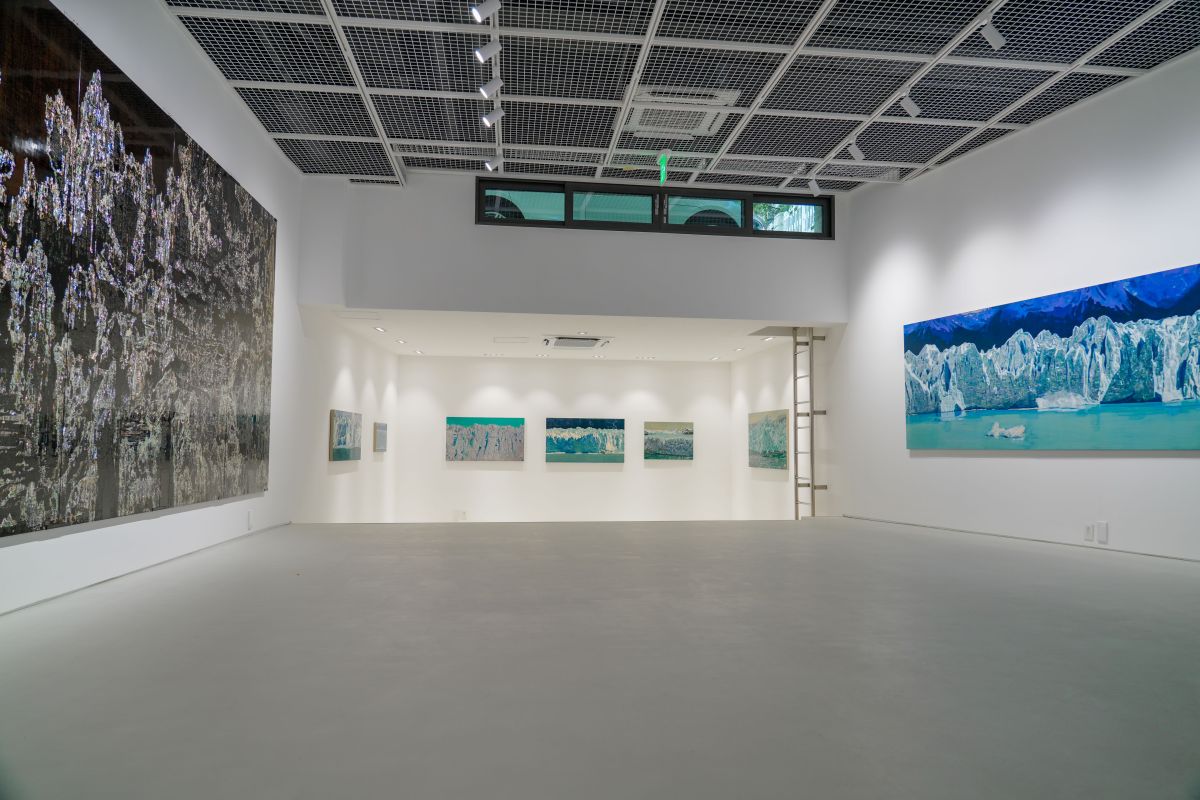
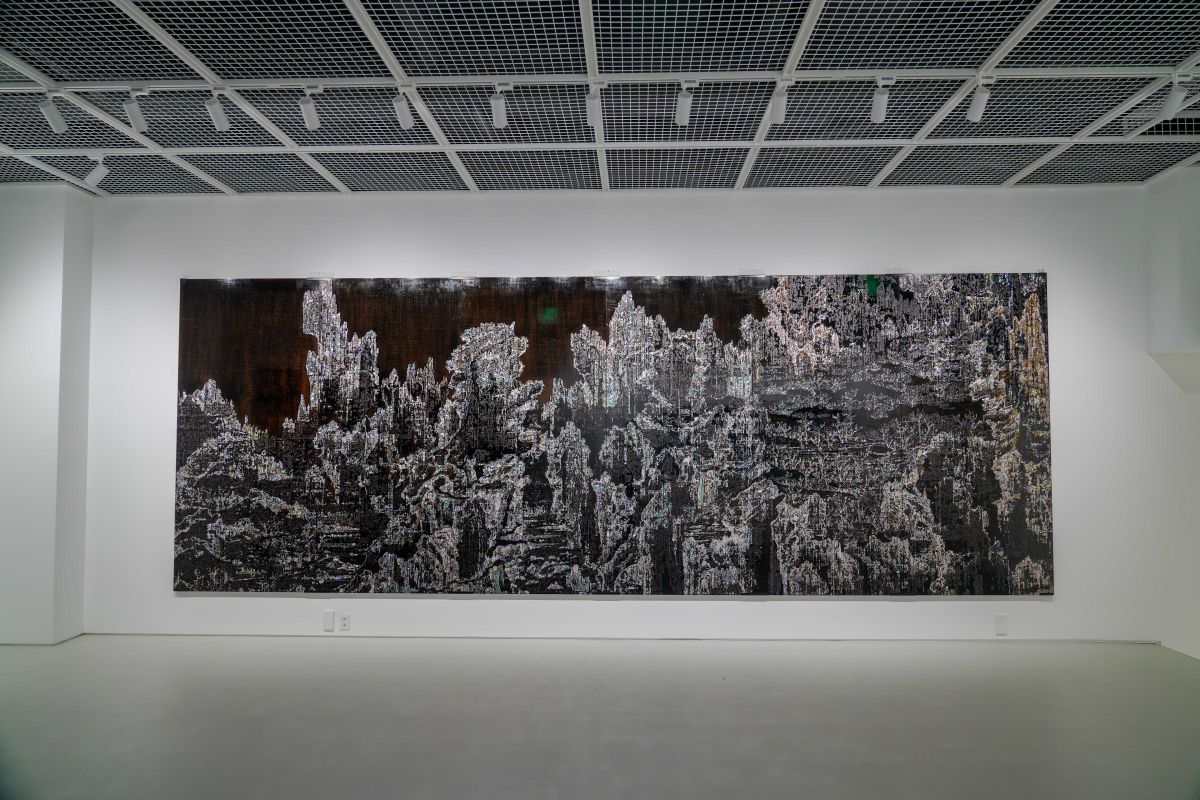
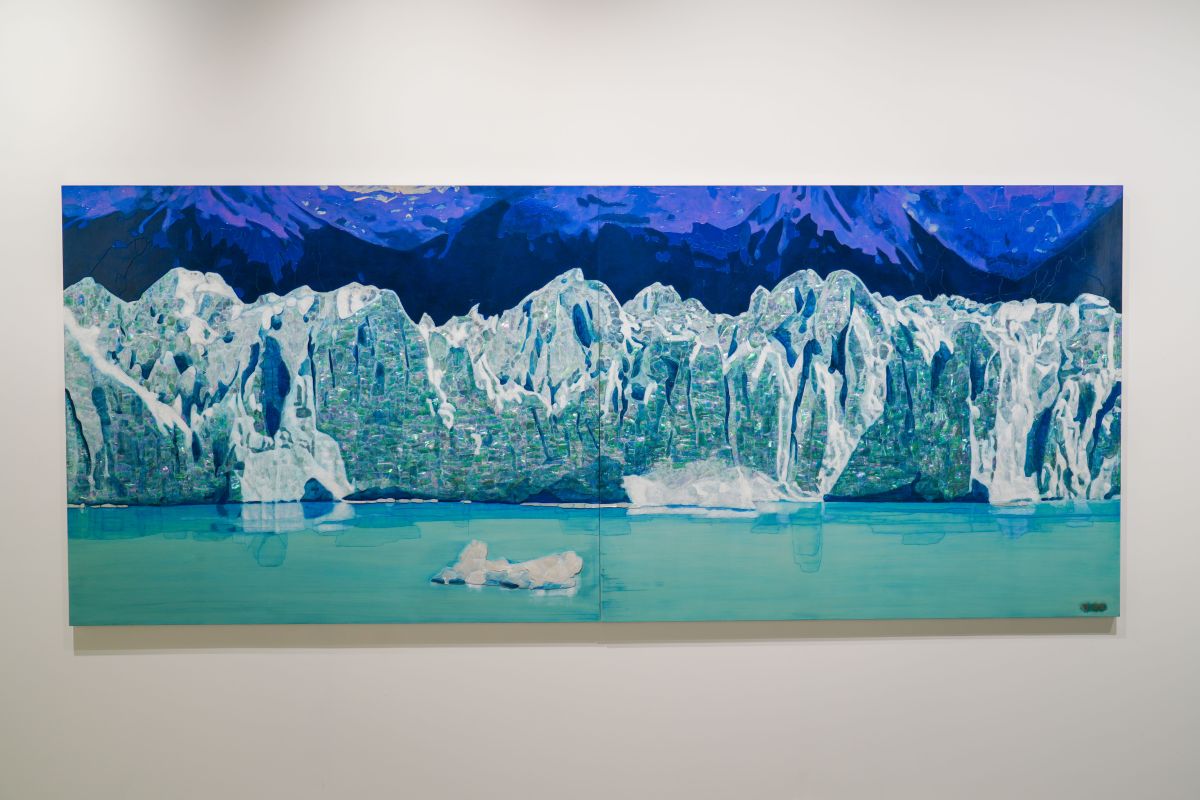
OMAE Gallery proudly celebrates its grand opening in Samcheong-dong with the second solo exhibition of artist Jongryang Kim. His first solo show at OMAE in 2022, titled The Spirit of Eternity, marked a significant moment in the lacquerware field by presenting contemporary artworks rooted in traditional craftsmanship. The exhibition drew wide attention from the najeon and ottchil community for its bold crossover into contemporary art, ultimately leading to the prestigious selection of Kim’s large-scale work Iceberg – The Spirit of Eternity (3 meters wide) for permanent installation at the VIP lounge in Incheon International Airport’s Terminal 2, scheduled to open at the end of 2024.


This new exhibition offers an extraordinary opportunity to witness New Dream Journey to the Peach Blossom Land – Najeon, a monumental 7-meter-wide lacquer painting rarely seen in private gallery settings due to its scale. The work embodies Kim’s vision of honoring and reinterpreting the nobility of traditional Korean mother-of-pearl art within a modern context. We warmly invite you to experience this rare and meaningful presentation of contemporary lacquerware at OMAE Gallery, from September 9 to October 26, 2024, at 20, Samcheong-ro 7-gil, Seoul.


National Treasure

The brilliance of Wang-taek Oh’s work lies in his meticulous observation of flowers and plants, which he transforms into exceptional mother-of-pearl designs through his signature technique. His najeon patterns, born of both deep tradition and refined creativity, are not only artistically compelling but also adaptable—manifesting as furniture, wall pieces, and contemplative objets d’art. Each work requires an extraordinary amount of time and precision, resulting in a body of work so rare that only a fortunate few can claim the privilege of collecting these treasures.


With the heartfelt wish that people might one day “stand in line to see my works while I’m still alive,” Oh’s practice is driven by both artistic vision and a quiet yearning for recognition. The pieces on view are not merely decorative—they are, in every sense, treasures. In this exhibition, the artist presents works that embody that very dream: to share something truly rare, enduring, and radiant with the world.


Translucent slogans and signs

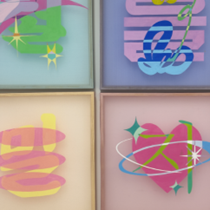
In this exhibition, the artist reinterprets the assertive language often found in protest slogans by stripping them of their original context and reconstructing them through aesthetic and spatial compositions. Bold, primary-colored slogans—typically intended to demand attention—are softened and fragmented on translucent silk, preventing them from fully penetrating and instead allowing them to reverberate ambiguously. Slogans collected from the Sewoon District and familiar everyday symbols are reorganized into sculptural, visual arrangements that defy conventional reading and grammar. Through this process, meaning becomes fluid, unsettled, and open to reinterpretation.


Building on previous works involving site-specific performances and video, where domestic gestures such as sewing or grinding met institutional or public spaces, this exhibition shifts focus to the intersection of place and text. The fragmented words are no longer just read—they are inhabited. Installed as semi-transparent, dimensional structures in real urban settings, these textual sculptures lose, exaggerate, or transform their meanings. When placed in overlooked or contested spaces, such as those in the Sewoon District, these delicate installations prompt reflection on the relationship between language, memory, public space, and collective experience.


The Traces of Inertia

The Traces of Inertia explores how language, stripped from its original context, can shift in meaning when reassembled through form and space. Protest slogans and everyday signs are fragmented and arranged on translucent silk, their assertive tones softened and made ambiguous. By removing the urgency of their original use, the artist invites viewers to consider the fluidity of language and the ways in which aesthetic order can obscure or transform intent.


Moving from earlier performance and video works focused on gestures in public spaces, this exhibition brings text into physical form. Installed within urban environments, these silk-based structures interact with the texture of place, creating tension between visibility and disappearance. The Traces of Inertia reflects on how traces of resistance, memory, and repetition linger quietly in both language and the spaces we inhabit.


Drawn into the Line

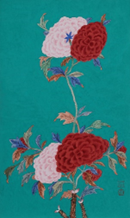
Drawn into the Line traces the artistic journey of Seonmi Kim, who began in ceramics before immersing herself in the world of Korean folk painting (minhwa). Captivated by the spontaneous lines found in buncheong pottery, she pursued the origins of such expressive gestures—only to find herself in the rigorously controlled realm of royal decorative painting, where precision in line and color was paramount. Her technical mastery culminated in the award-winning Horyeopdo (Tiger Hunting Scene), yet even this success could not quiet her longing for freedom. The formal structures that had once disciplined her hand began to feel confining, and she found herself drawn once again to the intuitive, the imperfect, the alive.


In this new body of work, Kim steps away from ornamental perfection and returns to the raw vitality of the line. Influenced by Taoist philosophy, she embraces the paradox of great skill appearing unskilled (大巧若拙), letting go of control to allow spontaneity and sincerity to emerge. Her lines, though simple, carry the weight of repetition, devotion, and an evolving visual consciousness. Drawn into the Line marks not only a stylistic transition, but a philosophical one—toward a practice that values clarity through imperfection, and grace through letting go.