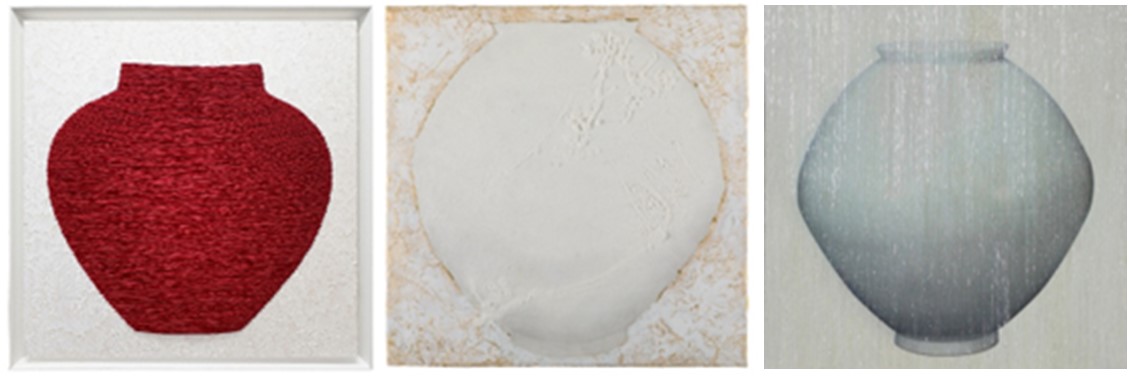
The moon is filling – let’s go.

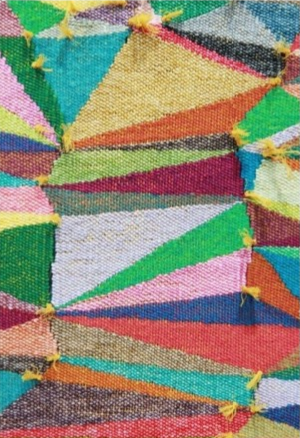
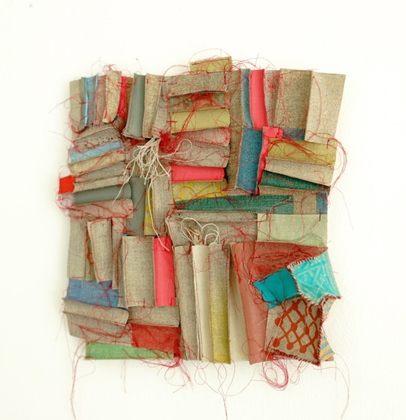
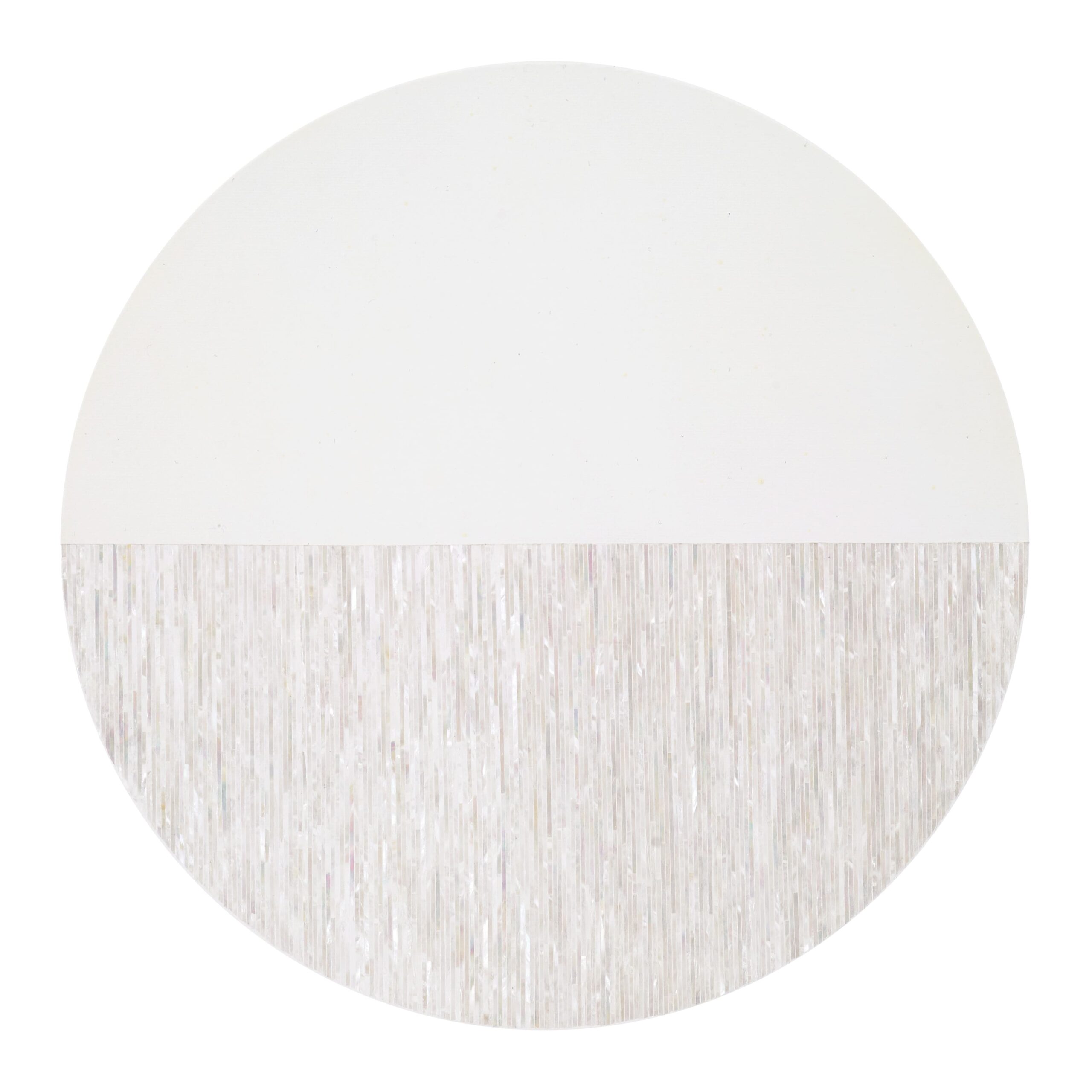
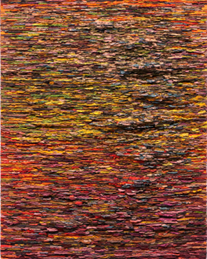
OMAE Gallery opens its 2024 program with a powerful group exhibition featuring three distinguished Korean women artists: Kim Sooncheol, Seo Sooyoung, and Jung Hyunsook. Titled “The Moon Is Rising—Let’s Go”, the show draws inspiration from a song by Jang Kiha, capturing a sense of renewed determination—a fitting energy for the early new year when resolutions often begin to fade. Each artist brings her own vibrant material language—Kim with thread on hanji, Seo with gold leaf on hanji, and Jung with mother-of-pearl and crystal. Despite the diversity of media, their works are united by a shared thematic core: the expression of hope, prayer, and personal yearning.


In Korean culture, the moon is more than a celestial body—it symbolizes deep wishes, silent prayers, and the cyclical rhythm of the universe. These artists visualize such sentiments through vessel-like forms that resemble traditional jars, yet evoke something far more expansive: inner desire and cosmic continuity. As the moon rises, so too does the call to act, to begin again. Through this exhibition, we invite viewers to absorb the full and glowing energy of these works—an invitation to reignite purpose and step forward with clarity and strength.

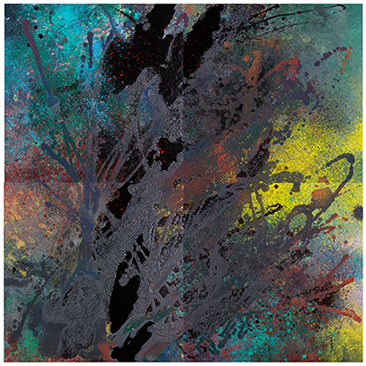
Ottchil, Fascination

From December 18, 2023 to January 12, 2024, OMAE Gallery presents a solo exhibition by artist Jeoung-eun Kim, showcasing her deeply luminous lacquer paintings (ottchil-hwa). As the year turns and the days grow shorter, the rich, natural radiance of traditional Korean lacquer resonates even more profoundly. This is the season when the quiet depth of ottchil—derived from nature—reveals its most poetic beauty.


Kim’s works are a vivid celebration of color. Her canvases shimmer with a surprising range of hues, transforming memories long folded away into fragrant, vibrant narratives. Through her mastery of lacquer and her intuitive sense of color, Kim invites us to step into a world where darkness holds light, and forgotten emotions bloom anew. It is, quite simply, a captivating experience.

The Web

Seung-hye Shin’s work explores the unfamiliar energy and beauty that arise from the interplay of multiple emotions and elements. At the heart of her practice lies an ongoing investigation into human relationships—those intricate, paradoxical forces we both seek out and strive to escape. For Shin, relationships are not fixed states but dynamic tensions, marked by attraction, resistance, and transformation.


She views the world as a vast web—one in which we are all entangled, whether comfortably nestled within its threads or struggling to break free. These webs mirror the fragile patterns of connection in our lives: sometimes carefully maintained, sometimes swept away in an instant. Through her art, Shin embraces this cycle of formation and loss, offering a visual meditation on the delicate, ever-shifting structures that define our existence.


Across the Universe

Yu-young Eun paints the meeting point of reality and eternity, matter and spirit. In her work, mother-of-pearl functions as both material and particle, continuously generating waves of iridescent light through its interaction with illumination. Through this, the artist seeks to convey a wide spectrum of colors and sensations to the viewer.


The interaction of mother-of-pearl serves as a visual bridge between the physical and spiritual realms. The works offer varying experiences depending on the viewer’s gaze and shifts in light, inviting each person to form their own emotional and interpretive response.


These pieces are characterized by their indeterminate and transformative nature, suggesting a constant evolution beyond the constraints of time and space. This conceptual framework connects the work to a dynamic “void,” opening the door to infinite possibility.


Transcending the limits of materiality, Eun’s work evokes a cosmic atmosphere and encourages metaphysical reflection. Through her art, she gracefully expresses complex ideas, offering viewers a sensory experience and a space for profound contemplation.

Time – Chapter 3

OMAE Gallery presents Time – Chapter 3, a solo exhibition by Eun-jung Choi, opening in October 2023. Known for her dedication to visualizing the intangible nature of time, Choi continues her exploration through a vibrant new series of relief works created with layered Korean hanji paper. This chapter marks a deepened focus on color and material, as she moves beyond the dyed papers and mixed media of her earlier phases to work exclusively with colored hanji. The result is a richly textured body of work that captures the passage of time in tactile, abstract forms—each piece a meditative study in rhythm, density, and depth.


Choi’s artistic evolution can be traced across three chapters: from her early organic depictions of waves, mountains, and wood grains in Chapter 1, to the more abstract, minimalist expressions of temporal flow in Chapter 2, and now to the vibrant material poetry of Chapter 3. Her process—daily soaking, kneading, and layering of hanji—is as meditative as it is physical. These accumulated layers hold not only visual weight, but also the traces of her lived time, embedded with personal reflection and creative labor. Her art is, in essence, a quiet but powerful embodiment of time itself—formed by hand, one layer at a time.


Fortune – The Thread of Connection

Minhwa, or Korean folk painting, has emerged in recent years as a vibrant genre that not only reflects everyday life but also contributes to defining the identity of contemporary Korean art. Once considered a modest form of visual expression, minhwa now commands growing attention and debate as artists reinterpret its themes with new relevance. Jung-eun Nam’s work fits firmly within this evolving conversation. Drawing inspiration from traditional munjado—particularly the character (bok, meaning “blessing” or “good fortune”)—she explores its symbolic potential through personal interpretation and visual reinvention. Her approach departs from rigid stylistic imitation, instead treating characters as sculptural elements rich with everyday significance and emotional resonance.


Nam’s works are rooted in warmth, sincerity, and a deep engagement with human connection. Through the motif of silk threads, she evokes the concept of inyun (karma or destined relationship), weaving together ideas of fate, intimacy, and continuity. In combining the character bok with symbolic strands of thread, the artist creates a layered visual language—one that fuses blessing with connection, tradition with transformation. Her reinterpretation of minhwa is neither nostalgic nor rebellious; rather, it is a respectful yet bold evolution, balancing inherited forms with contemporary meaning. This exhibition invites viewers to witness the unfolding of tradition not as fixed heritage, but as a living, breathing dialogue between past and present.


Fortune – The Thread of Connection, color on wood, 118x75cm, 2023

Literati painting created with mother-of-pearl and Ott

OMAE Gallery is pleased to present the work of Sun-kab Kim, who creates contemplative paintings using mother-of-pearl and traditional lacquer on paulownia wood. His surfaces—minimal yet richly layered—suggest a convergence of color, material, and meditative form. Stripped of expressive brushstrokes or representational imagery, these works are not depictions but presences: weighty, luminous fields formed by the artist’s repetitive gestures of sprinkling, layering, and polishing. The embedded fragments of mother-of-pearl glimmer like constellations, inviting the viewer’s imagination to trace invisible connections across the pictorial plane—an act akin to stargazing, where meaning is not delivered but discovered.


Kim’s process draws deeply from traditional East Asian aesthetics, particularly the literati ideals of restraint, naturalism, and inward reflection. Working with paulownia wood—a material historically cherished by Confucian scholars for its quiet beauty and atmospheric sensitivity—he burns, sands, and lacquers the surface before applying powdered nacre in a series of tactile, layered interventions. The result is a field of controlled depth, where surface and substance are inseparable. These works do not offer a single reading, but rather open a space for contemplation, echoing the disciplined elegance and spiritual quietude of the scholar-painter tradition. In Kim’s hands, lacquer and mother-of-pearl become not merely materials, but vessels for time, memory, and the unseen.

An Obsession with the Useless

OMAE Gallery is proud to present a solo exhibition by Min-seong Kim, whose hyperrealist paintings pay homage to traditional Korean embroidery, specifically the bokjumeoni (lucky pouch). First encountered in the 2019 exhibition Folk Painting Kaleidoscope, Kim’s work stood out for its intricate depiction of hand-stitched motifs, reinterpreted through contemporary painting. By the time of the 2021 Korea Traditional Craft Exhibition, her bokjumeoni series had dramatically expanded in scale—both physically and conceptually—transforming delicate, handheld forms into large, meditative canvases that exude energy, silence, and emotional depth. Kim’s paintings do more than imitate embroidery; they distill the timeless presence of craft into the language of fine art.


At the heart of Kim’s practice lies a fascination with time—each thread she paints carries echoes of the past, present, and future. Her depiction of knotted tassels speaks to the invisible ties between people, objects, and all things within the universe. What begins as an image of traditional ornament becomes, through his hands, a powerful meditation on continuity, longing, courage, and generational love. While rooted in Korean tradition, Kim’s work is anything but nostalgic—it offers a contemporary perspective on heritage, form, and meaning. As art in the 21st century grows ever more complex and multidimensional, Minseong Kim’s paintings remind us that tradition, when reimagined with sincerity and skill, can resonate universally.


From Korea with Love

For the artist, tradition is not a limitation but a wellspring of inspiration—a treasured source of repetition and continuity. By attentively listening to the echoes of the past, a subtle internal rhythm begins to stir, prompting a search for new paths toward joyful, contemporary reinterpretation. The challenge lies in balancing reverence for inherited forms with the desire to break free from rigid repetition. In this pursuit, the artist envisions a garden of freedom and happiness—one that grows not in opposition to tradition, but in harmony with it.