

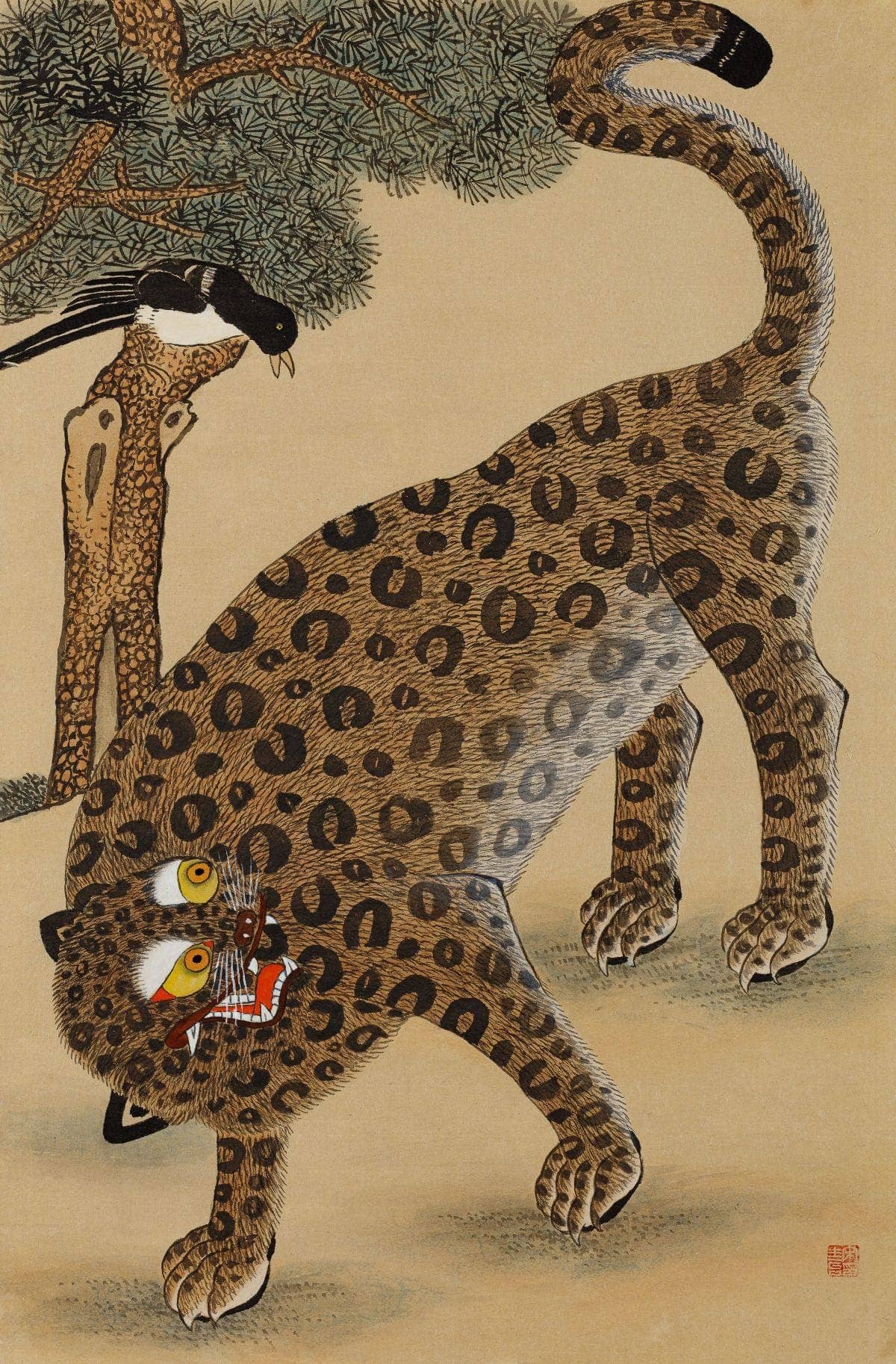
Kyu-tae Song, Magpie and Tiger, 76(h)x50(w)cm, 2026
Invitation
The late artist Kyu-tae Song (pen name: Pine), who passed away last April, was a pioneering figure who opened the genesis of Korean Minhwa (folk art). With his flawless and masterly brushwork, he elevated the dignity of Minhwa and nurtured numerous disciples, serving as a towering giant who laid the very foundation of today’s Minhwa community.
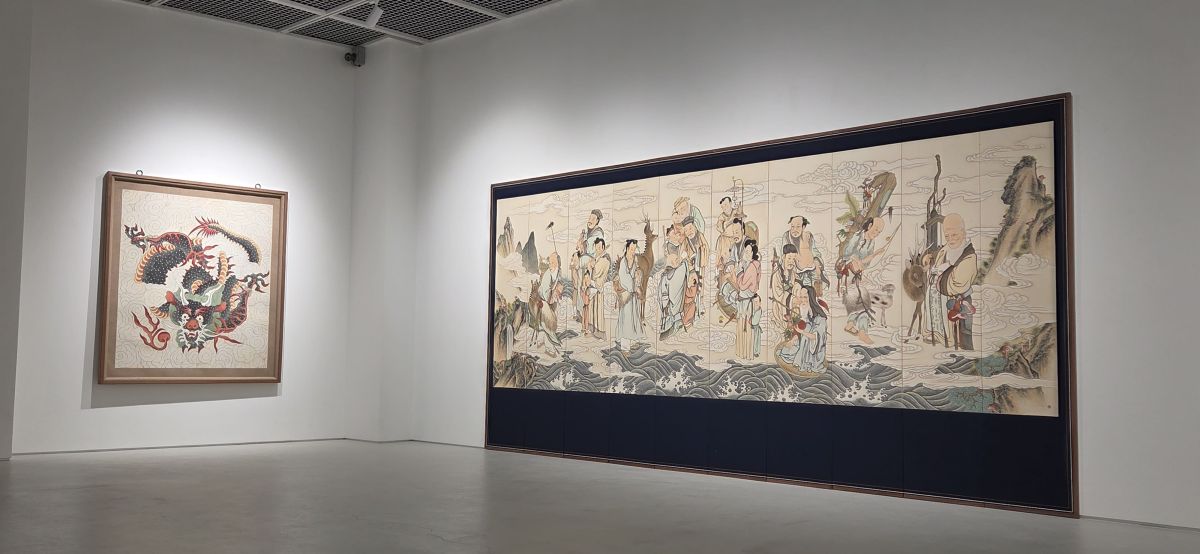
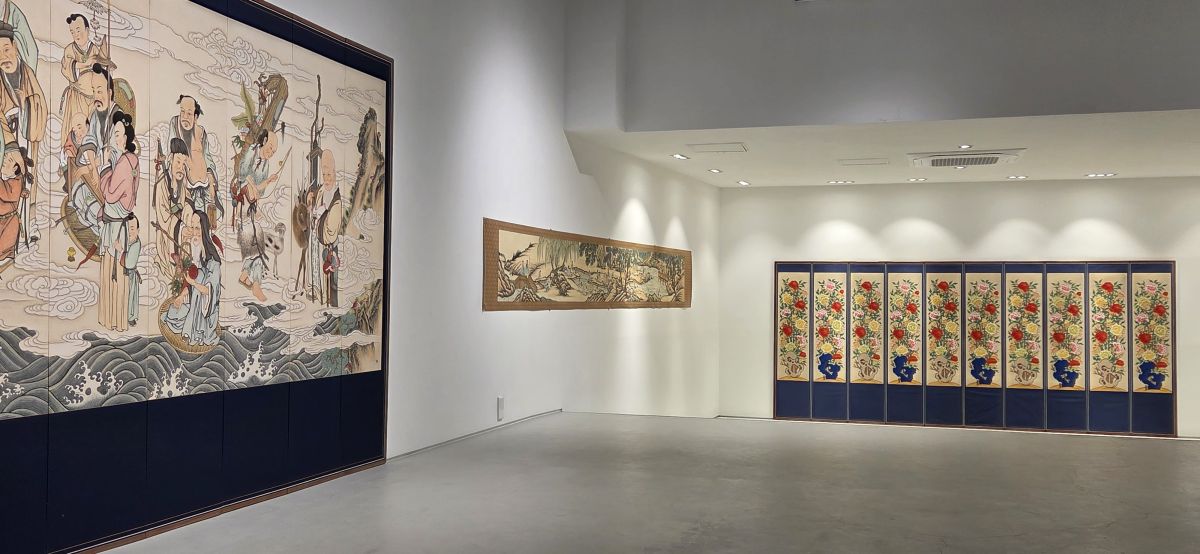
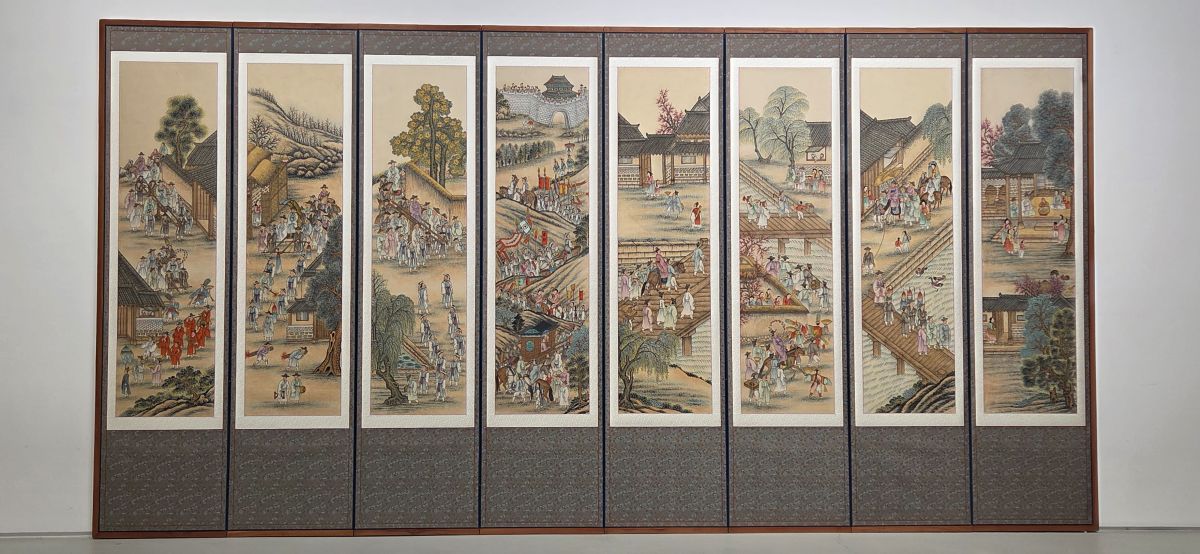
This exhibition is a commemorative retrospective that illuminates the monumental life of the deceased, which was entirely dedicated to Minhwa. Through a showcase of his lifetime masterpieces arranged by era alongside relevant archival documents, the exhibition sheds light on his legacy from various perspectives.
We cordially invite everyone who loves the artist Kyu-tae Song to this deeply meaningful exhibition. We hope you will join us to look back on his remarkable achievements and footprints, and share a precious time of remembrance.
Hosted by | OMAE Gallery
Organized & Directed by | Korea Minhwa Art Institute

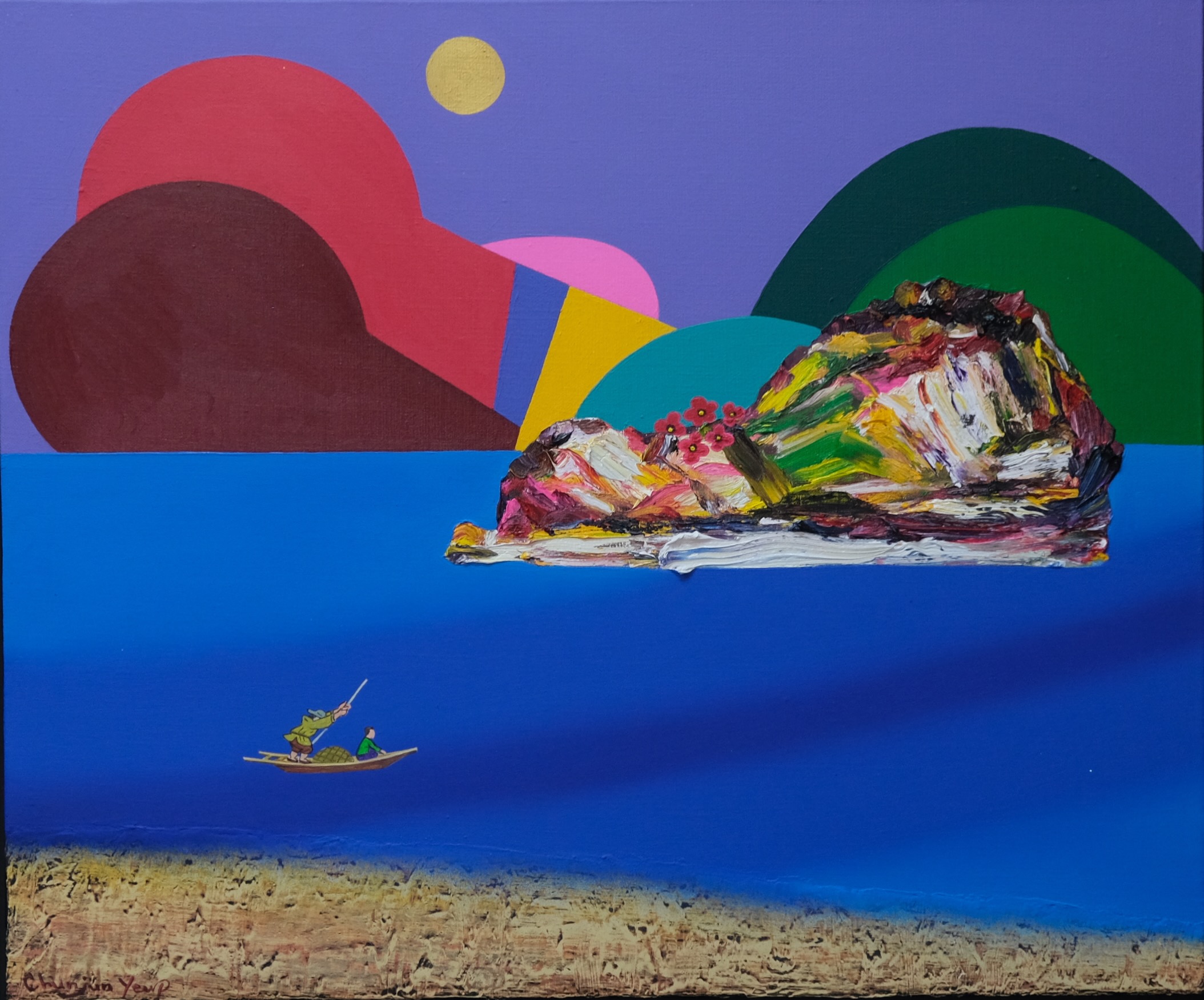
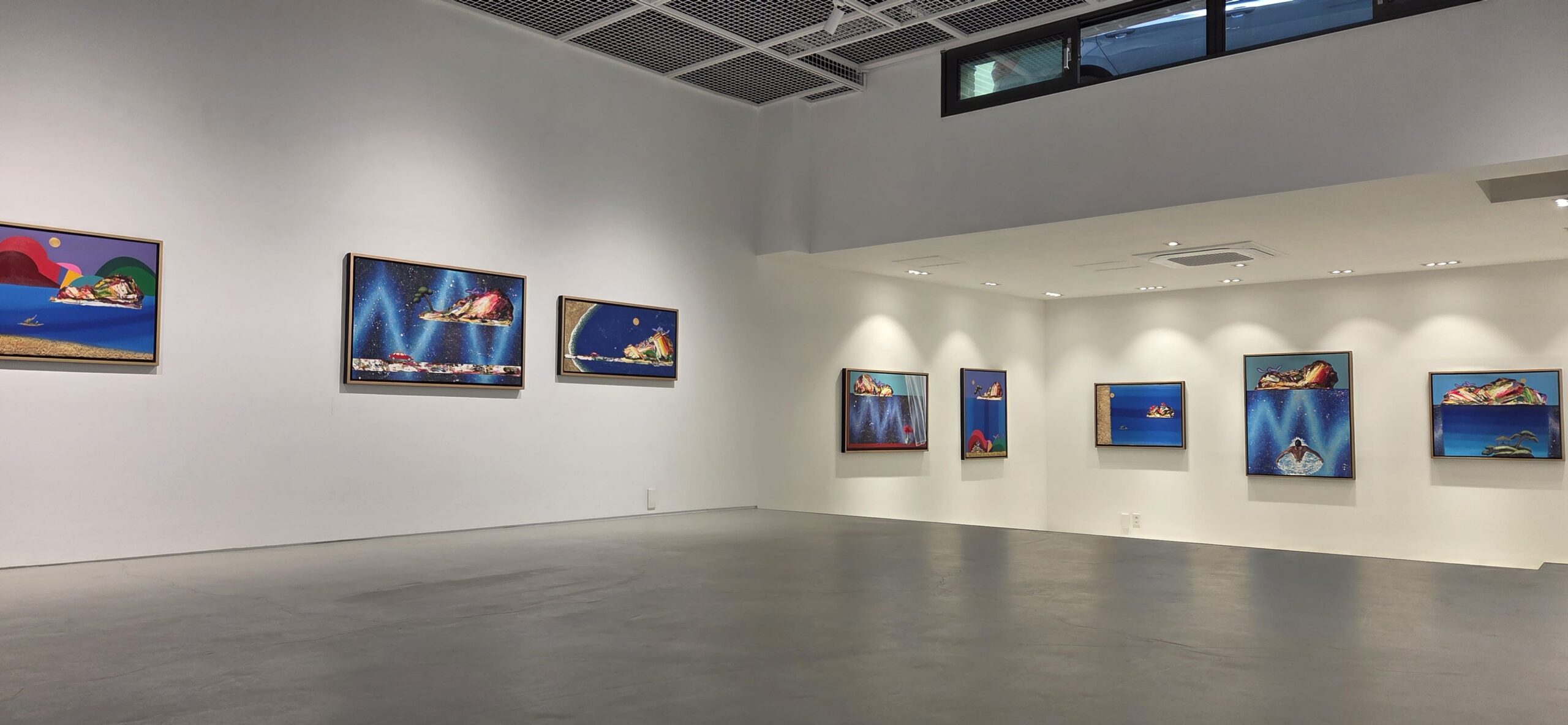
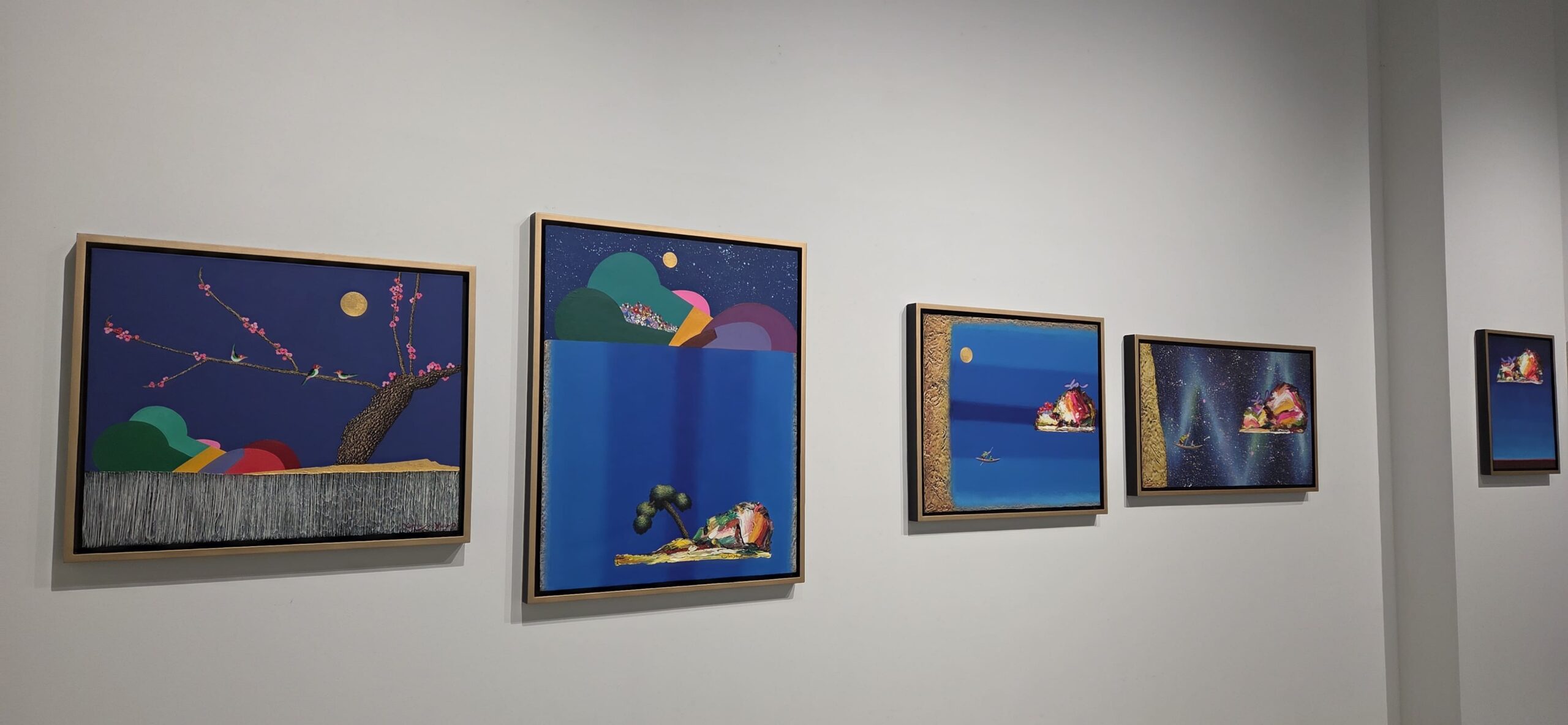
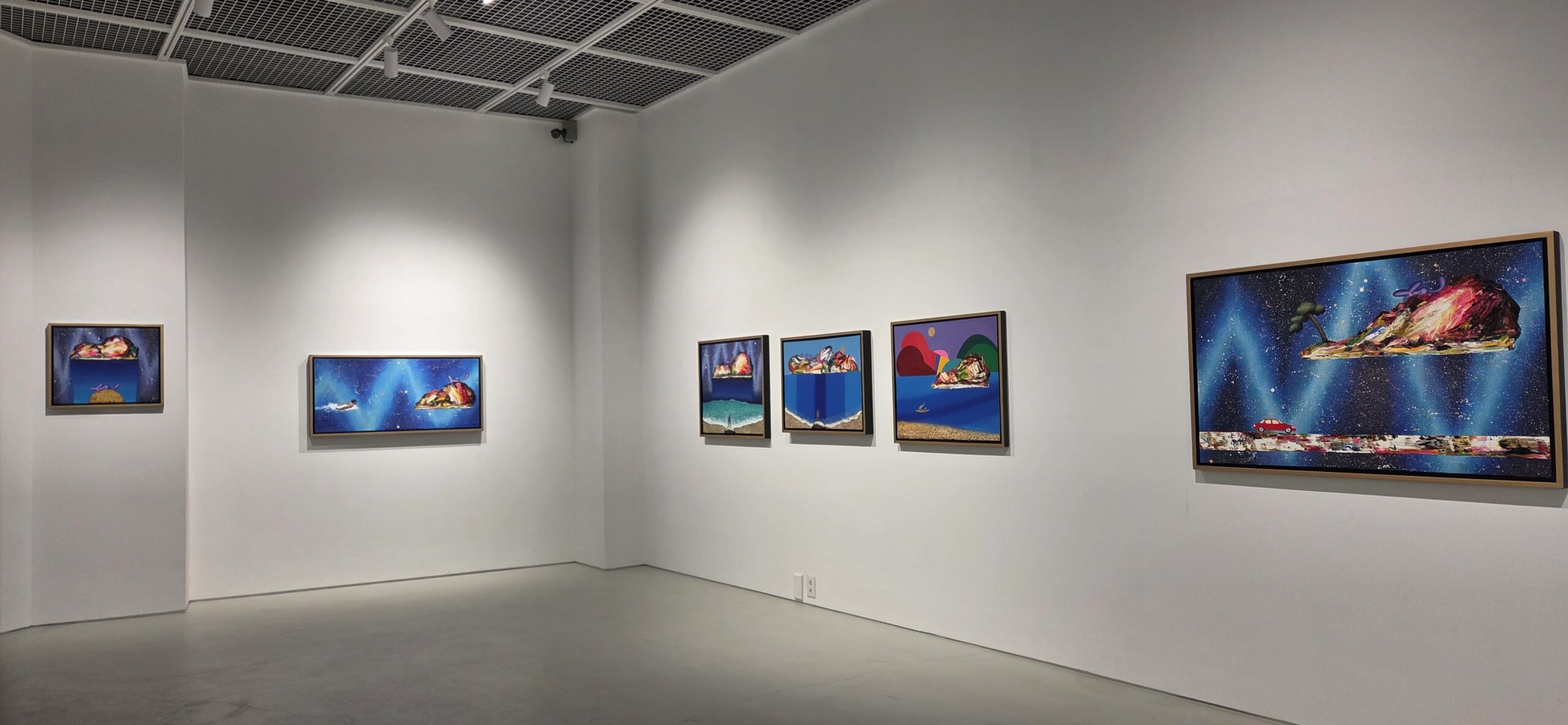
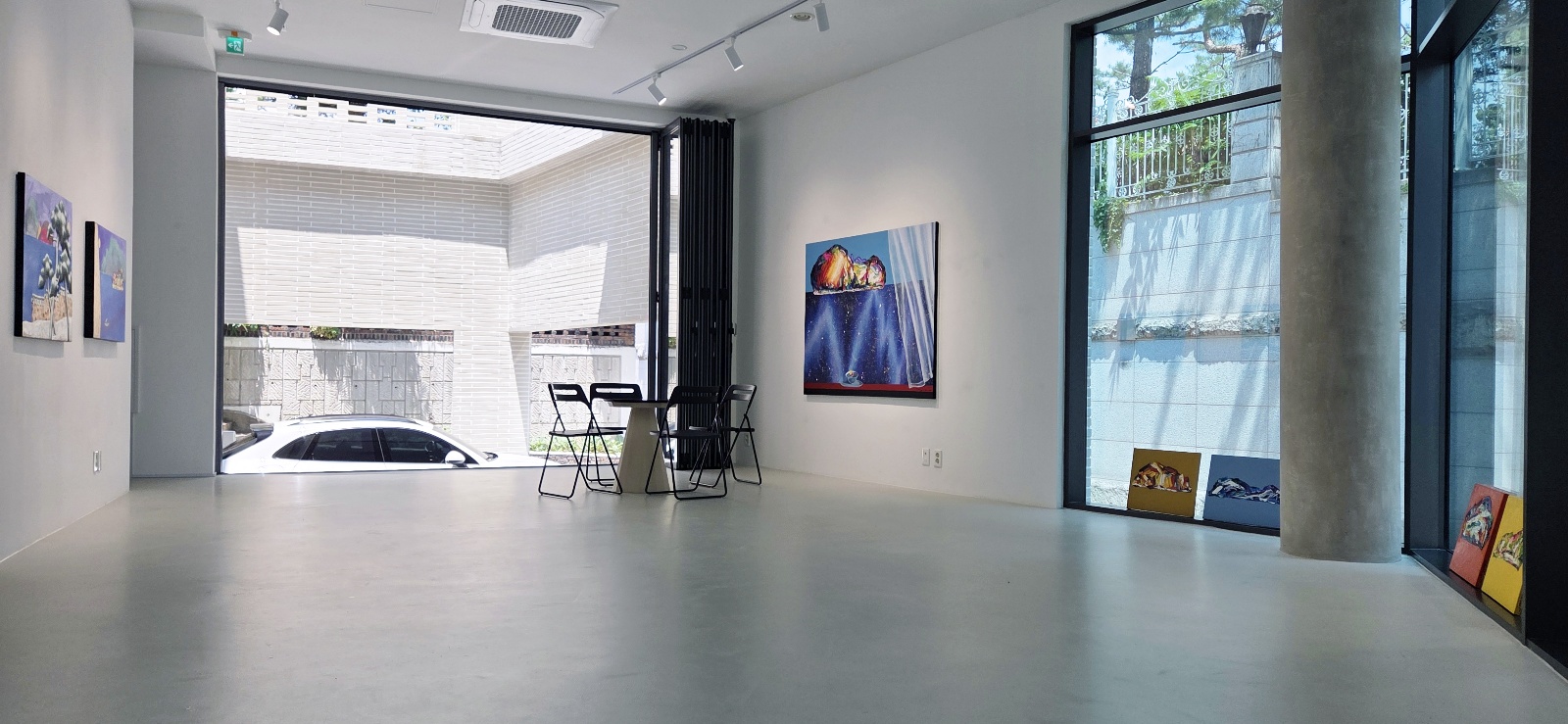
Jun-yeup Chun, I Want to Go to That Island, oil on canvas, 73x61cm, 2026
In the history of Korean aesthetics, the dominance of Neo-Confucian ideology often suppressed vibrant expression, prioritizing restrained, “readable” art over the purely visual. This led to a long-standing perception that bold coloration was a foreign influence rather than a native trait. However, artist Jun-yeup Chun challenges this narrative by excavating the “lost language of color” found in Korea’s shamanic traditions, royal dancheong, and the exuberant folk paintings (Minhwa) of the late Joseon Dynasty. He argues that the true essence of the Korean spirit lies in “dynamism”—a bold, proactive use of color that resonates with the energy of contemporary global K-culture.
Throughout his forty-year career, Jun-yeup Chun has dedicated himself to the modernization of Korean beauty. His latest series, I Want to Go to That Island, represents a significant evolution of his long-standing In the Garden of Light project. In these works, the artist moves beyond ideological interpretation to focus on the “visual” essence of painting. By harmonizing intense primary colors with a geometric composition of planes and powerful, rhythmic brushstrokes, he captures a sense of vitality that is both deeply rooted in traditional Korean sensibilities and distinctly modern in its abstract execution.
The title of the exhibition is inspired by the poem Island by Chong Hyon-jong, where the “island” symbolizes a space for human connection and the restoration of relationships. For the artist, “that island” represents the lifelong pursuit of a modern aesthetic identity—a sanctuary for the soul and a goal for his artistic journey. Featuring twenty-five new works, this exhibition invites viewers to find their own “island” of hope and desire within the canvas. Through this collection, Chun successfully re-establishes the importance of visual pleasure in Korean contemporary art, offering a dynamic landscape where tradition and modernity coexist in vibrant harmony.

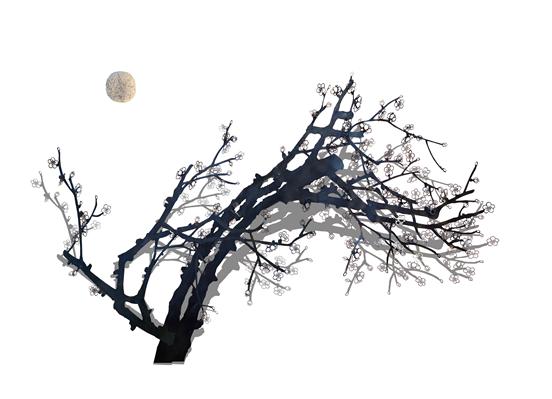
Kwang-ho Kim, Plum Blossom – Vivid Resonance, steel and natural stone, 173x216cm, 2026
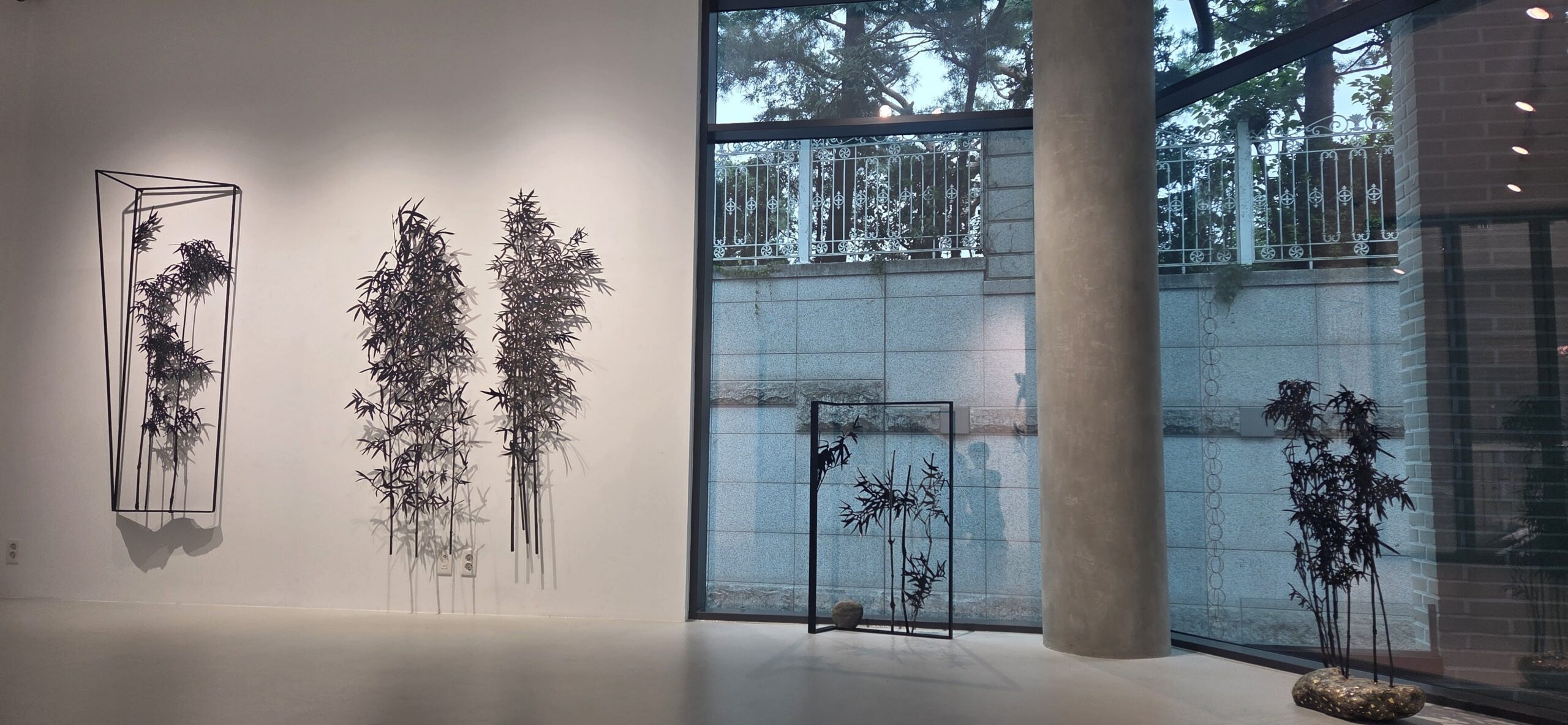
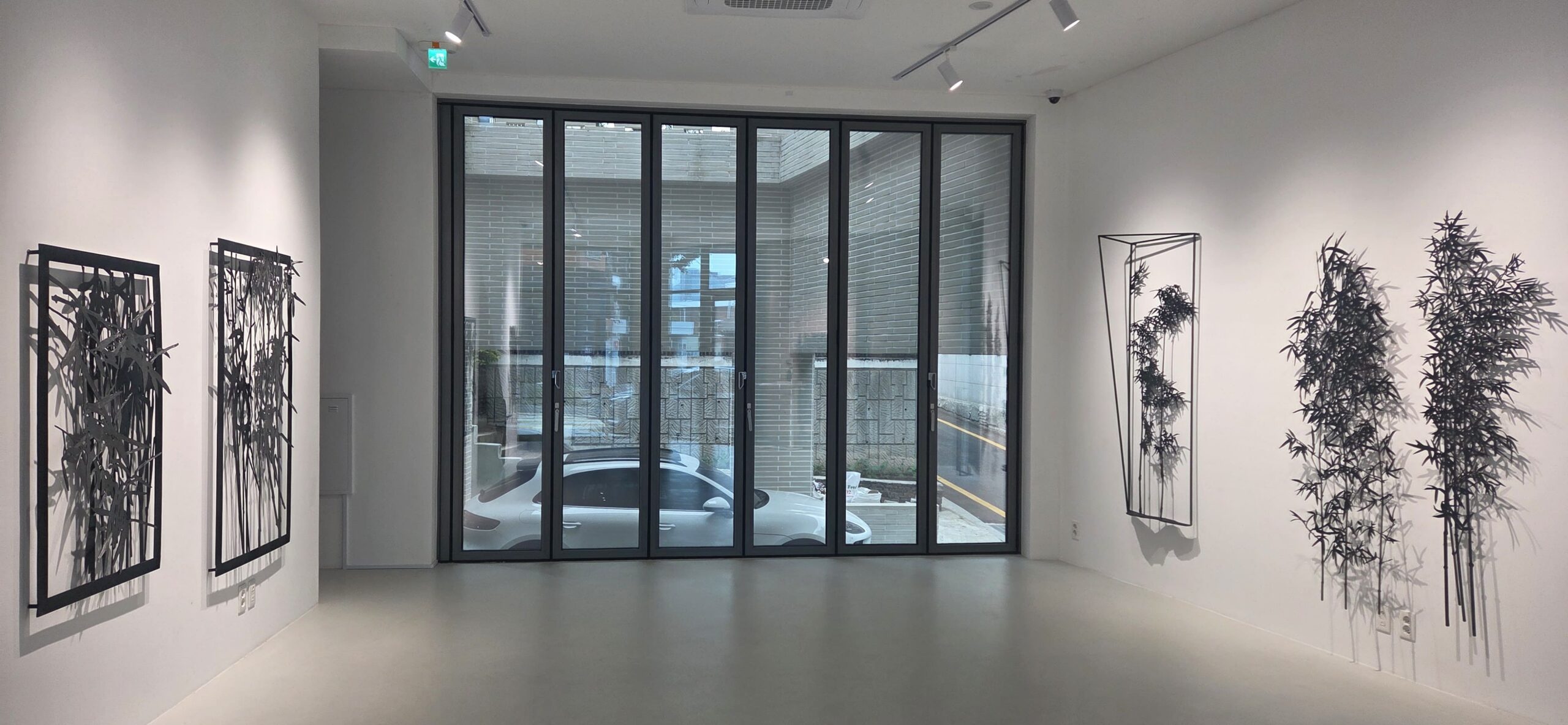
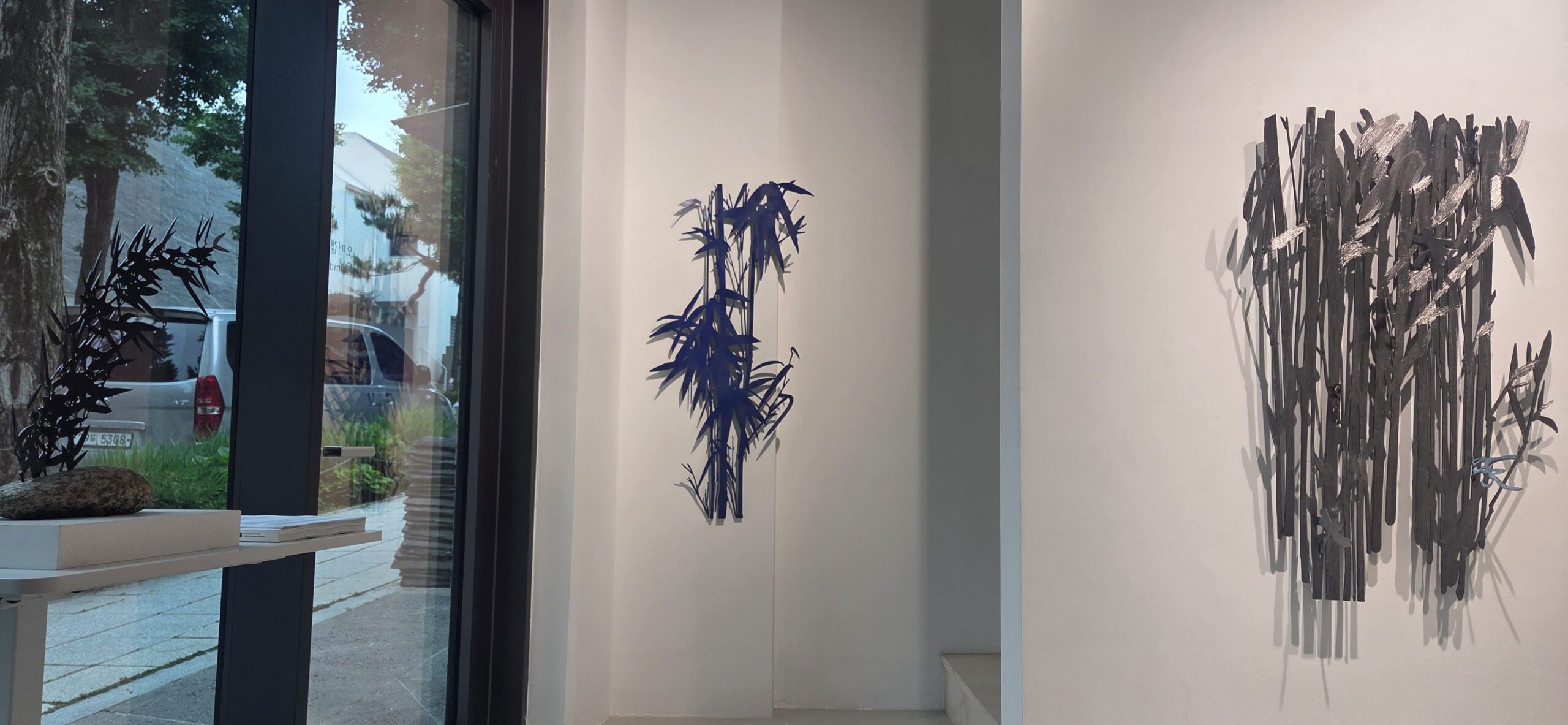
OMAE Gallery is pleased to present a solo exhibition by Kwang-ho Kim, titled The Sculpture of Sagunja. Kim reinterprets the traditional “Four Gracious Plants” (Sagunja)—plum blossoms, orchids, chrysanthemums, and bamboo—through a unique sculptural lens that blurs the boundaries between ink painting and three-dimensional form. By extracting the essence of traditional brushwork and translating it into steel and space, Kim offers a modern physical manifestation of the spiritual virtues long associated with these classical motifs.
At the heart of Kim’s practice is a profound ontological meditation on the “shadow.” He perceives the shadow not as a mere absence of light, but as a methodological tool to explore the core of self-existence. In his work, the shadow functions as a silent, fictional entity that remains inseparable from the self, bridging the gap between the flat surface of a painting and the tangible volume of a sculpture. Through this cycle of “reincarnation” where the plane constantly returns to the dimension of the solid, the artist expands the psychological space of the viewer, inviting a deep reflection on life and the fundamental question of identity.
Art critic Chung-hwan Ko defines Kim’s work as a redefinition of traditional ink painting into “planar sculpture.” By incorporating elements such as the rectangular frame and the intentional use of “yeobaek” (empty space), Kim’s installations oscillate between being wall-mounted paintings and freestanding sculptures. This fluid approach allows his art to traverse the boundaries of tradition and modernity, painting and installation. The result is a poetic encounter where the physical object and its cast shadow meet, transforming the gallery into a space where longing is stretched into long shadows and existence is translated into form.

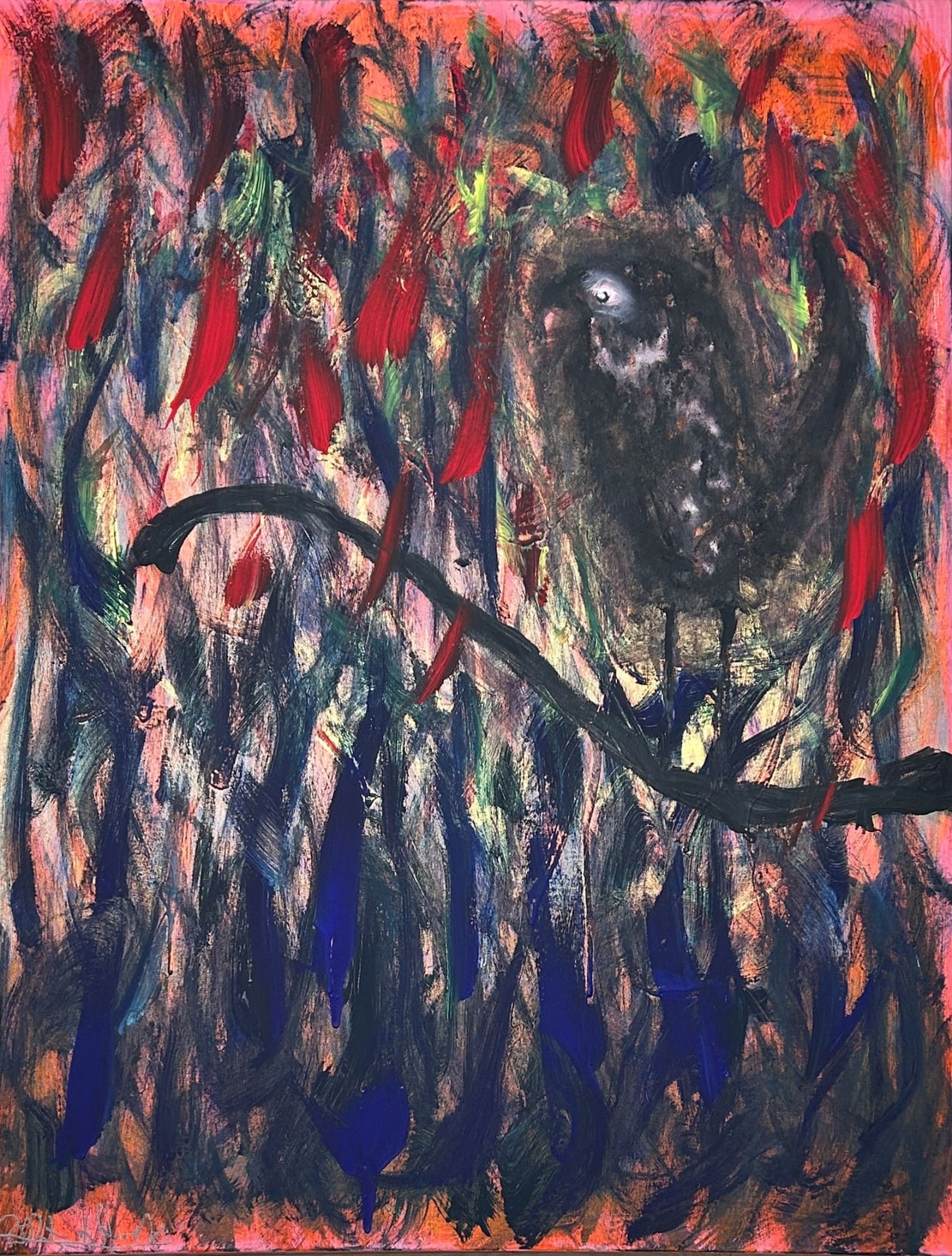
The Blade of Grass and the Bird 26_01, Mixed media on canvas, 117x91cm, 2026
In his solo exhibition, The Blade of Grass Does Not Remember the Weight of the Bird, Gyung-hee Ryu explores the fear of being forgotten and the quiet resignation that lies beneath. Through his long-standing motifs of ‘Faces’ and ‘Birds’, he illuminates the delicate boundaries of existence with profound depth.
For the first time in this exhibition, the ‘Bird’—which previously appeared as a symbolic element alongside human figures—takes center stage. The artist identifies himself entirely with the bird on the canvas, portraying the solitude of beings that possess wings but have ceased to fly, suspended in a state of belonging nowhere. This is not a record of a failed leap toward freedom, but rather a chronicle of the intrinsic weight felt by one who foresees that freedom may never be reached.
While the world returns to its mundane rhythm as if no death or wound ever occurred, Ryu does not let go of the human desire “for at least the final breath to be remembered” amidst such indifference. As the curator notes, “We, standing before the paintings, will find it difficult to forget that weight.” This exhibition serves as a poignant medium, connecting the artist and the viewer in the heart of a world that is constantly fading away.
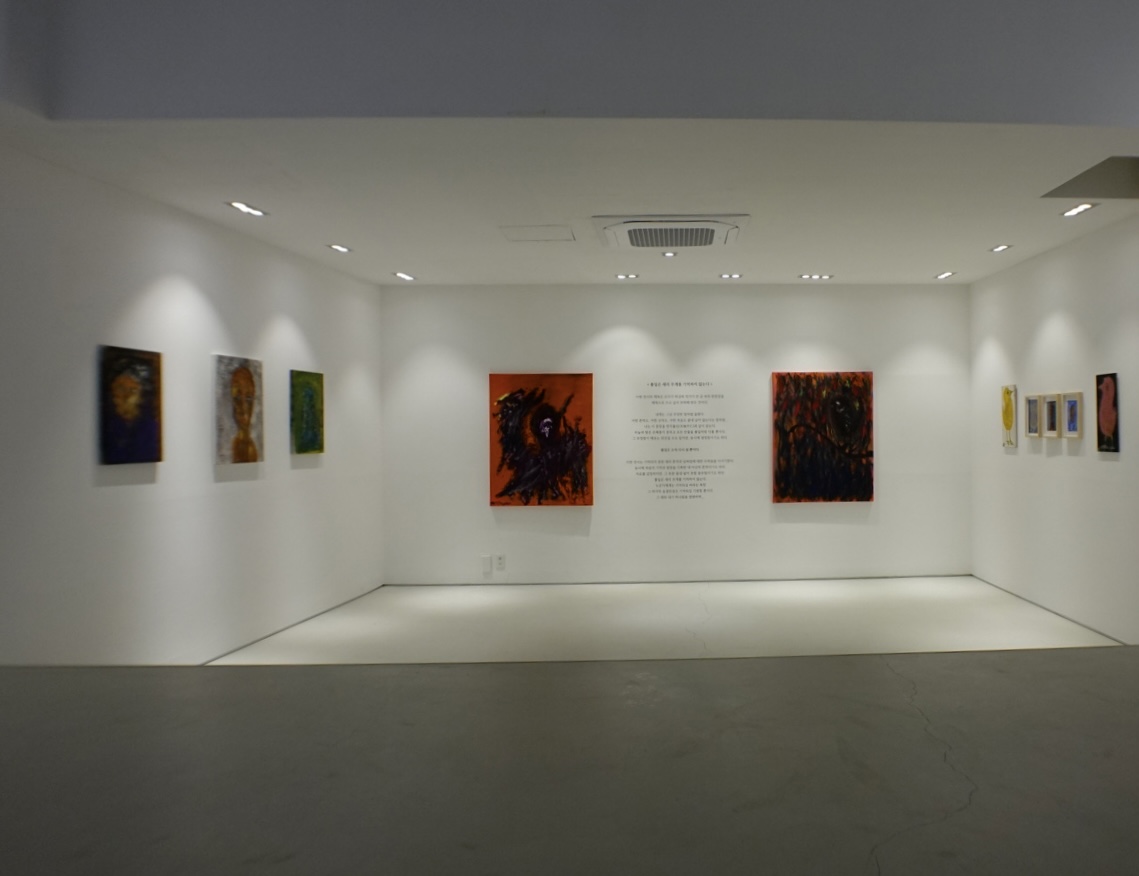
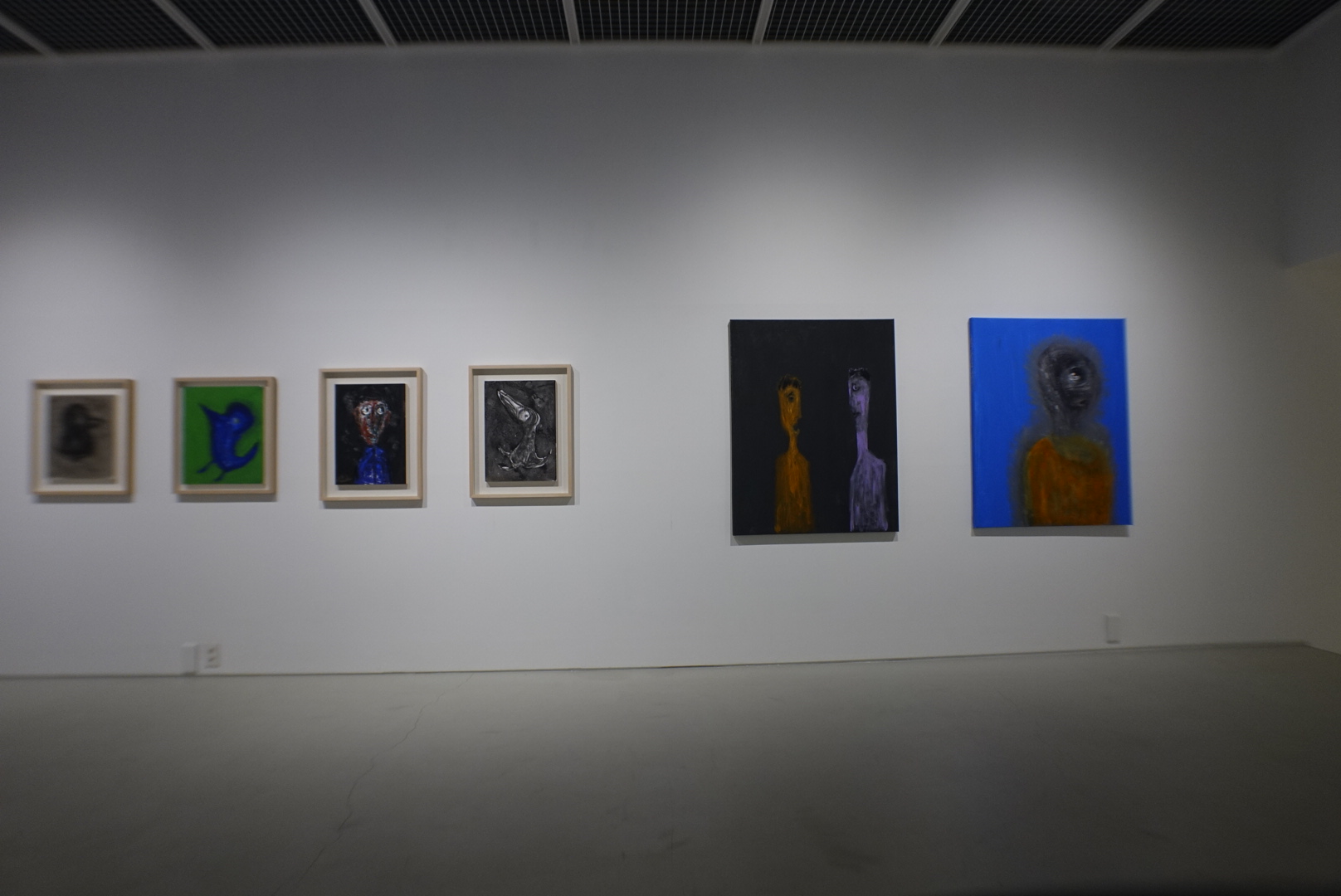
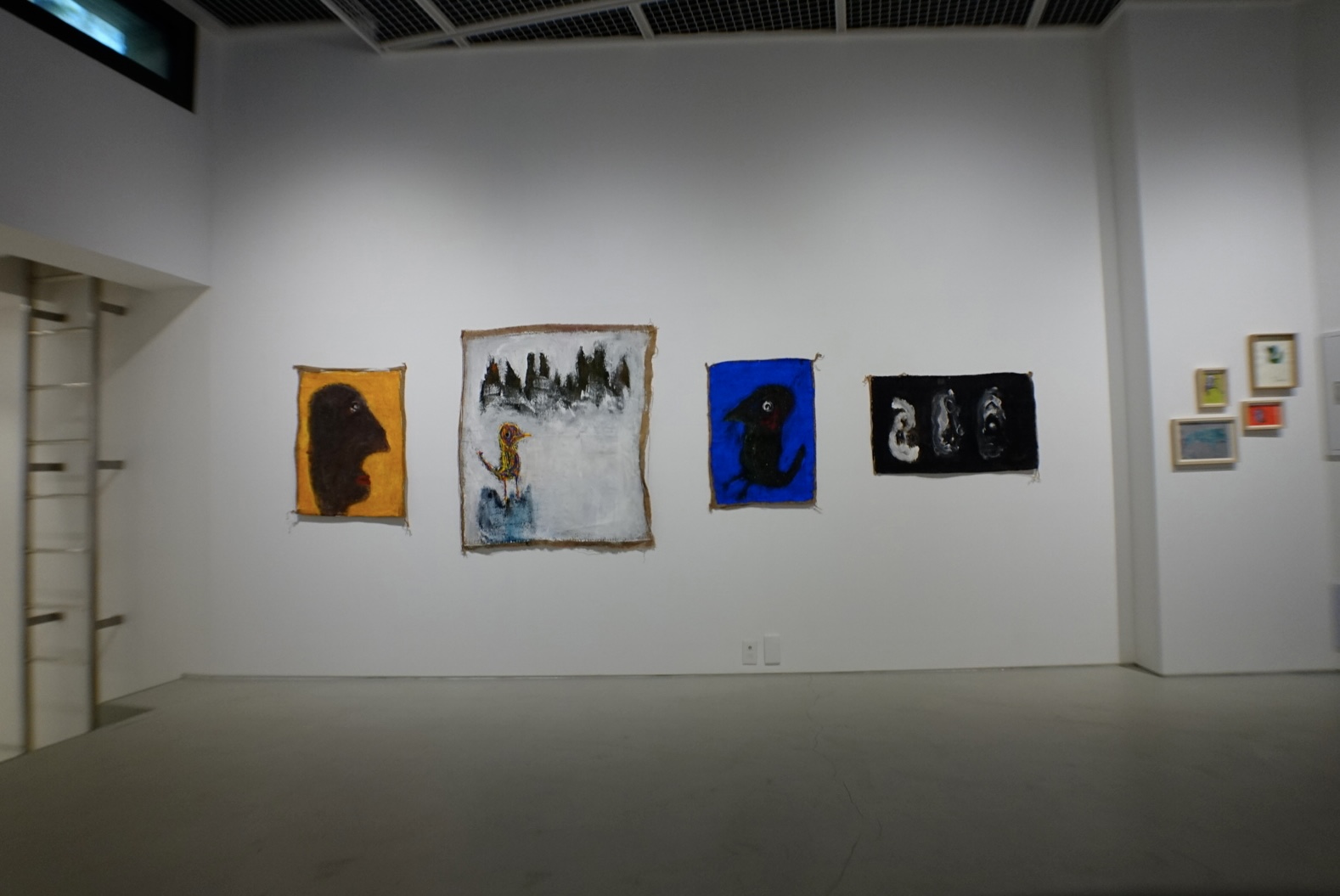
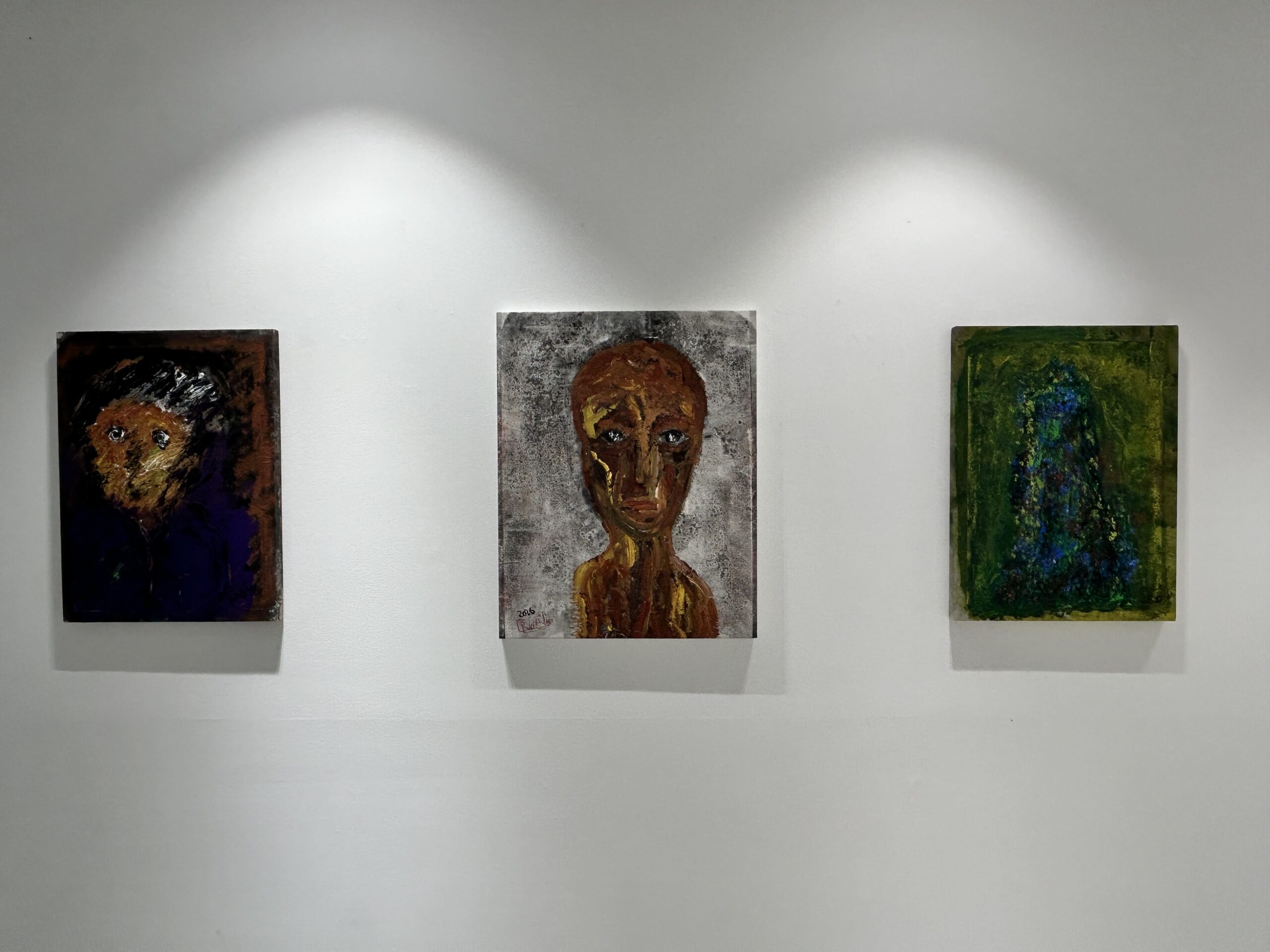

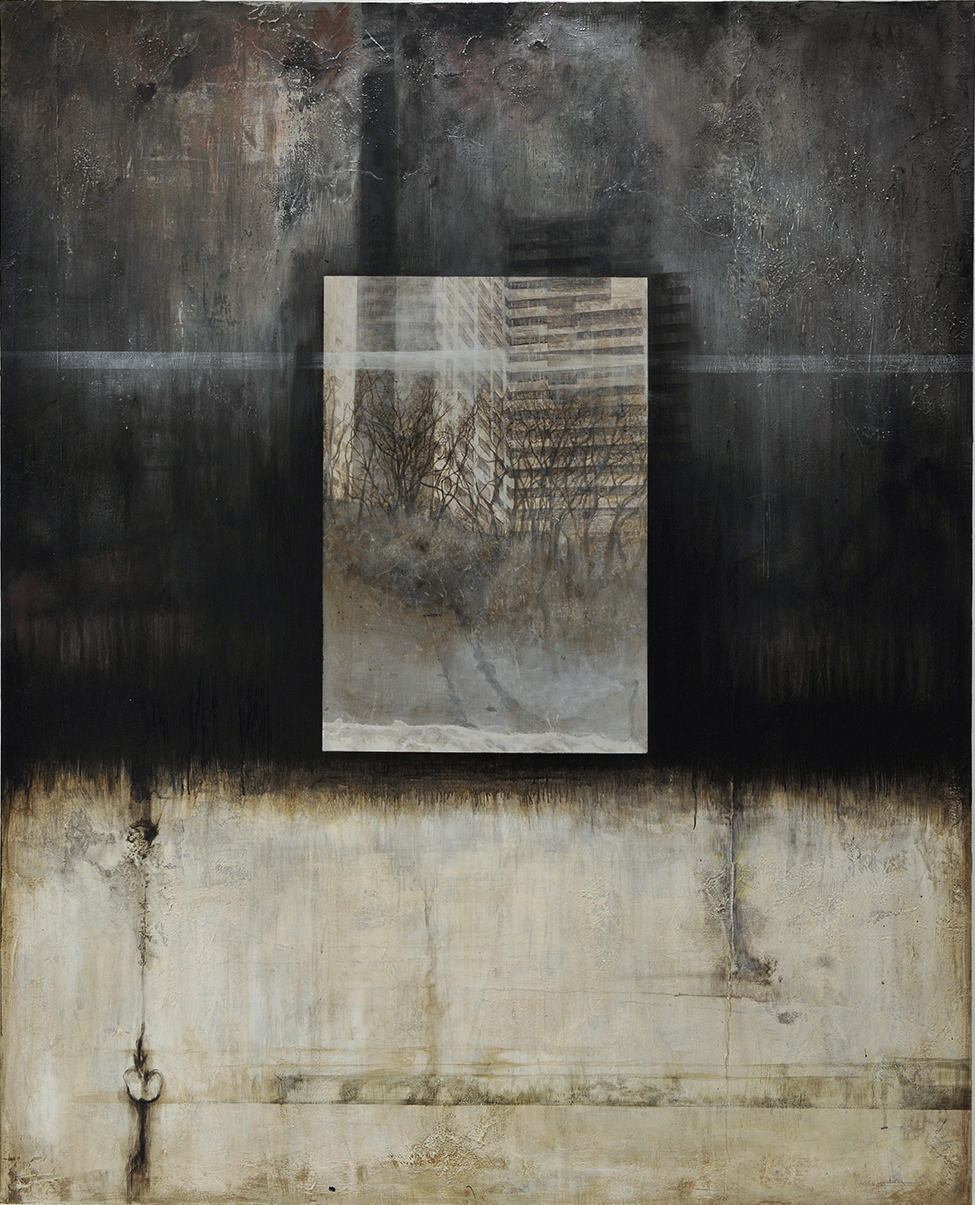
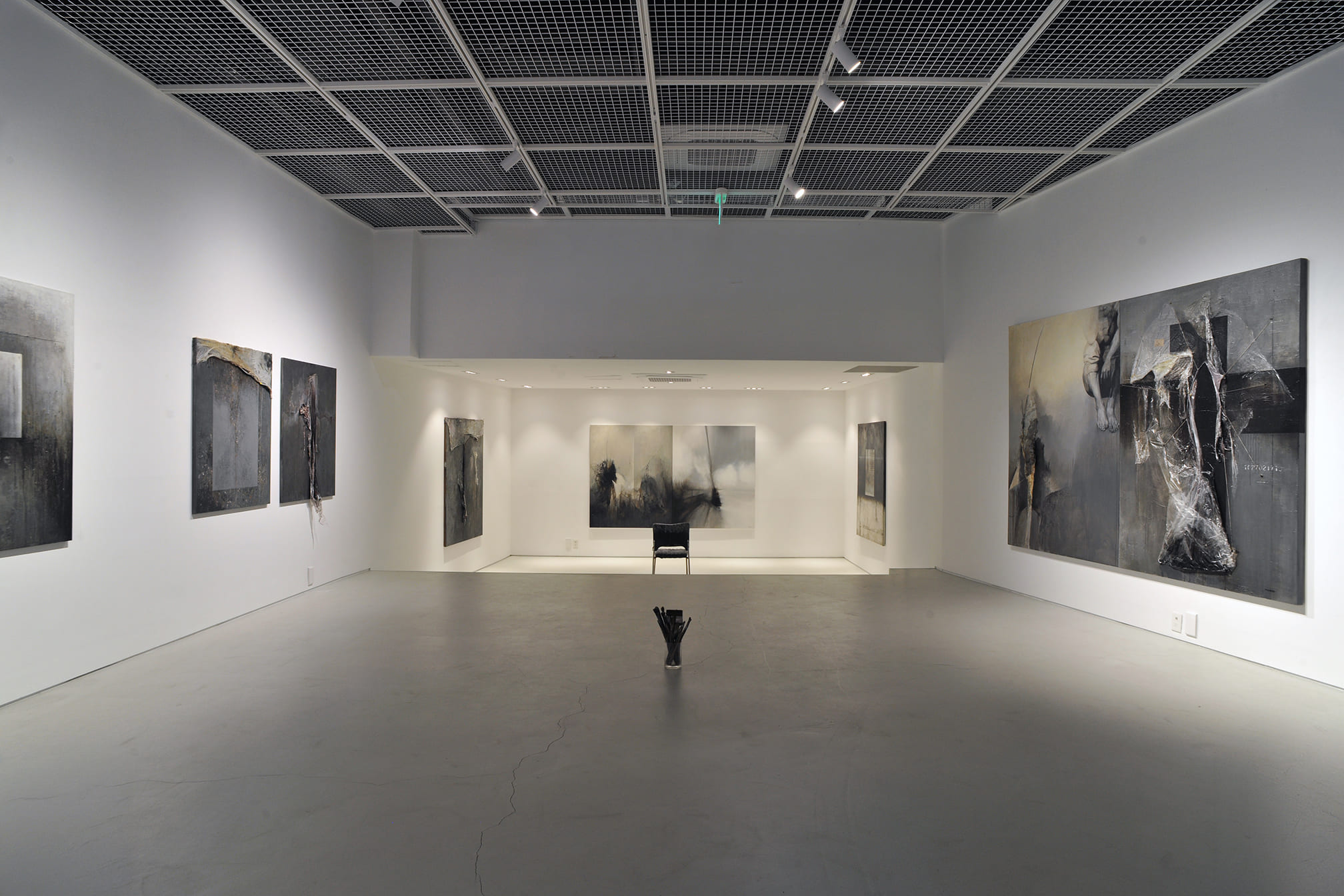
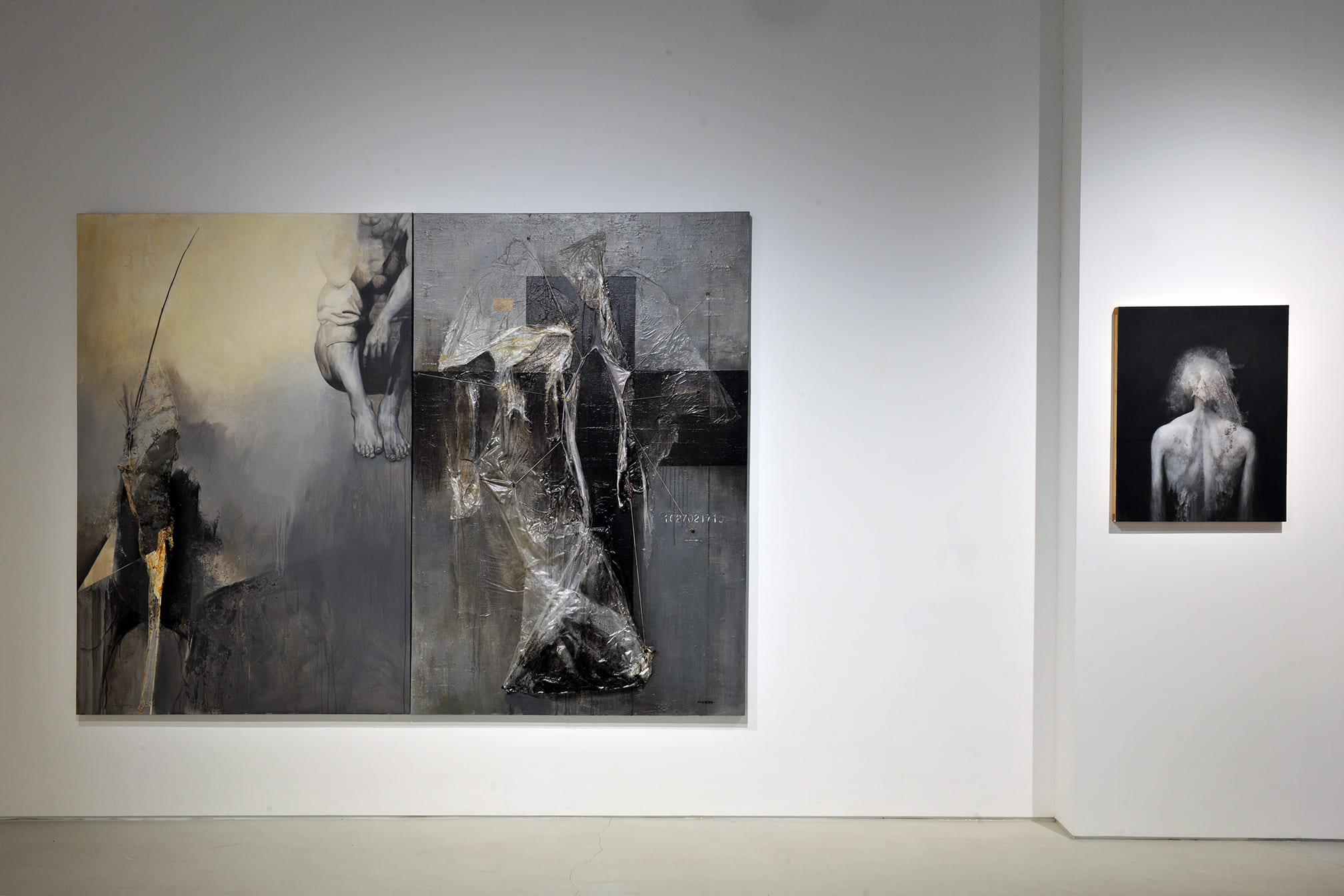
“abstrough”—a portmanteau of “abstract” and “rough”—is more than a visual style; it is a profound philosophical stance by artist D Hwang. The exhibition confronts the inevitable human conditions of solitude, decay, and the relentless passage of time. Rather than averting its gaze from the weathered and the broken, the work directly engages with the coarse, imperfect states of existence, revealing the raw essence of a world that is constantly fading.
The exhibition is structurally bifurcated across two floors to create a dialogue between materiality and imagery. On the first floor, the “abstrough concept shop” presents an immersive installation of the artist’s personal belongings—worn shoes, aged clothing, and mechanical motorcycle parts. These objects, once defined by their utility, have been transformed into artistic artifacts through the accumulation of time and minimal artistic intervention. They no longer serve a function but instead generate a unique atmosphere where the familiar and the alien intersect within the pristine gallery space.
In contrast, the basement floor transitions into a realm of condensed reflection through D Hwang’s paintings. While the upper floor captures the physical traces of wear and tear, the paintings serve as surfaces where the essence of those materials and experiences is distilled into a singular image. Together, these works do not present a finished result but a cross-section of a world in transition. Visitors are invited to witness the very process of disappearance, discovering that vanishing itself can exist as a powerful form of beauty.
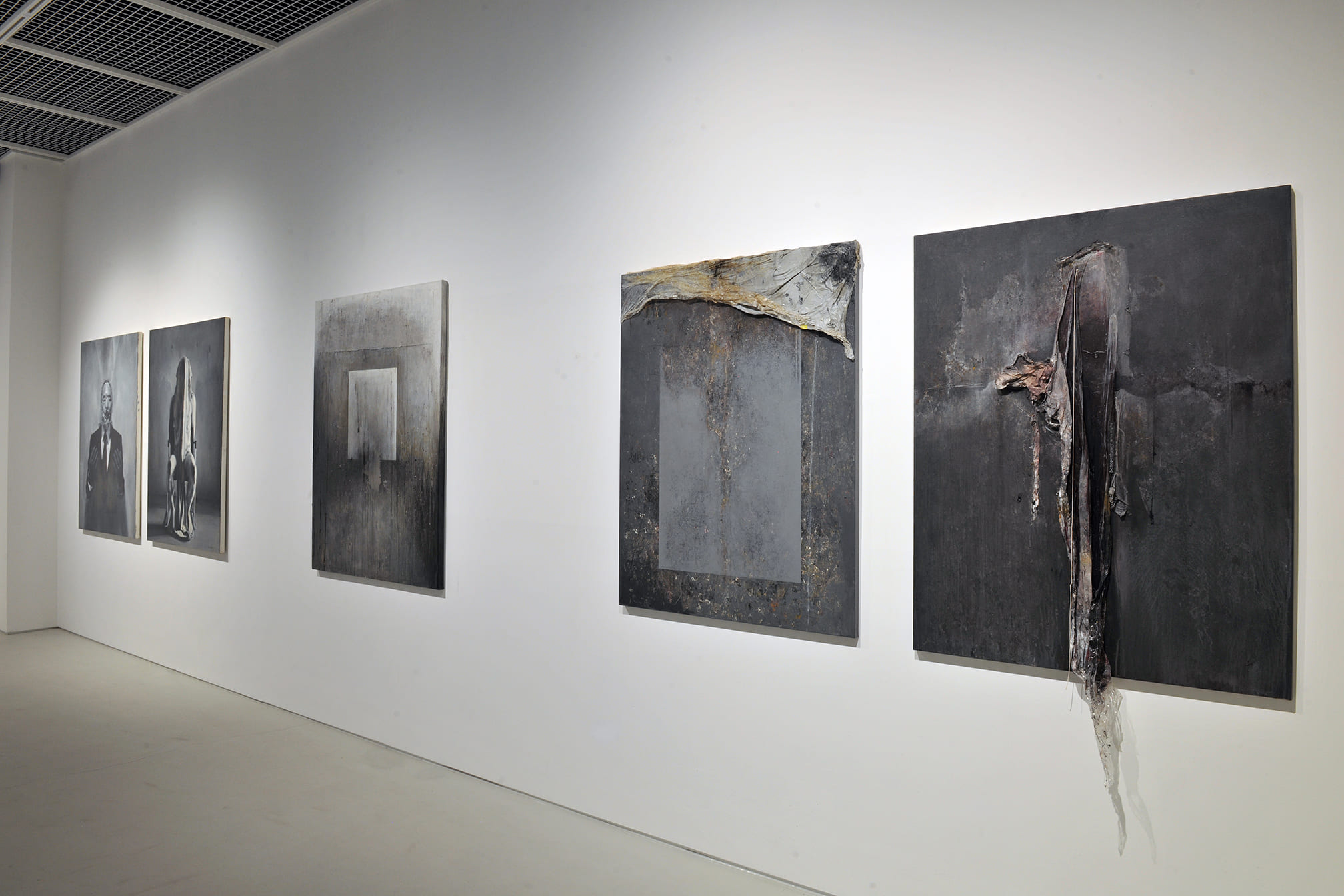
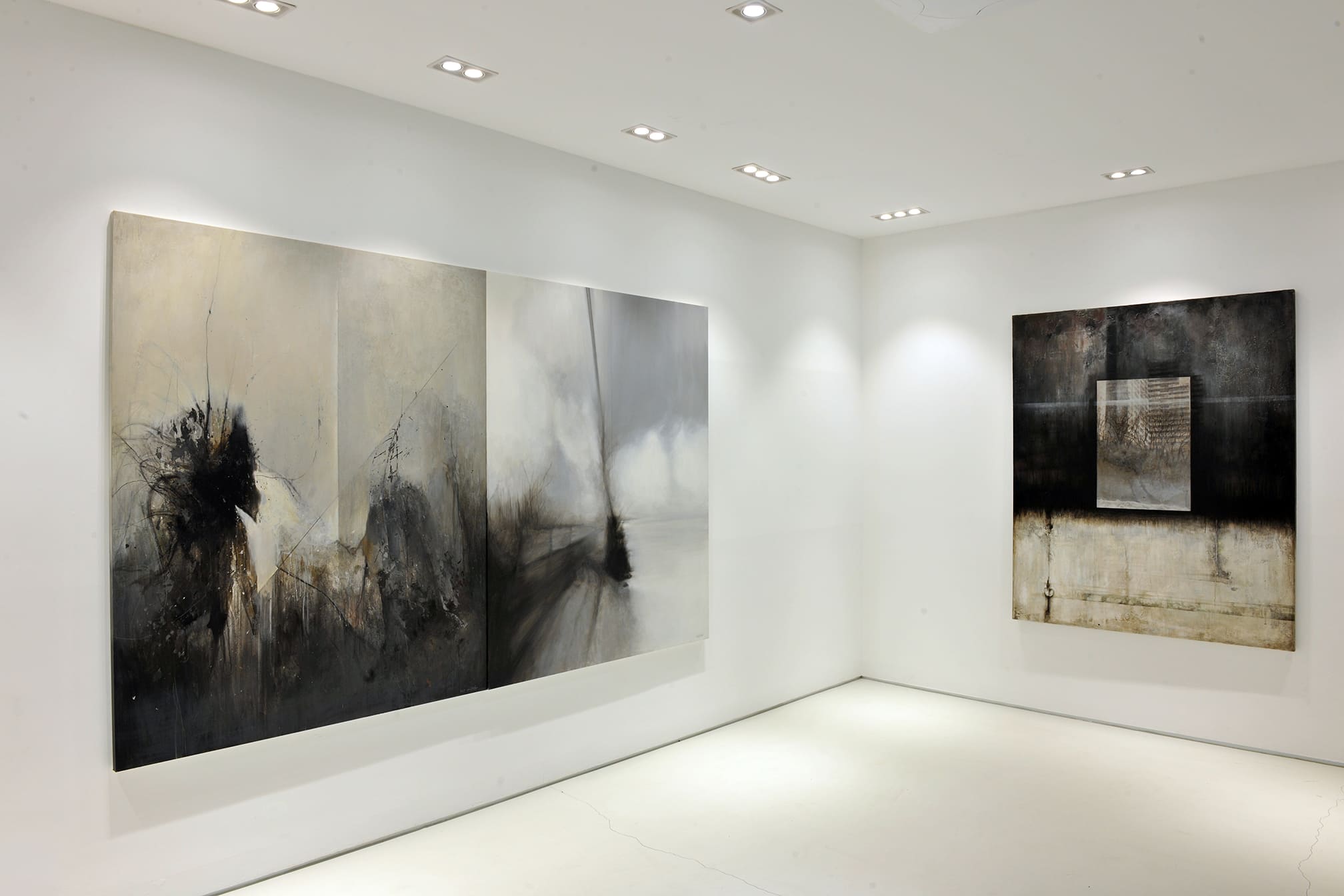
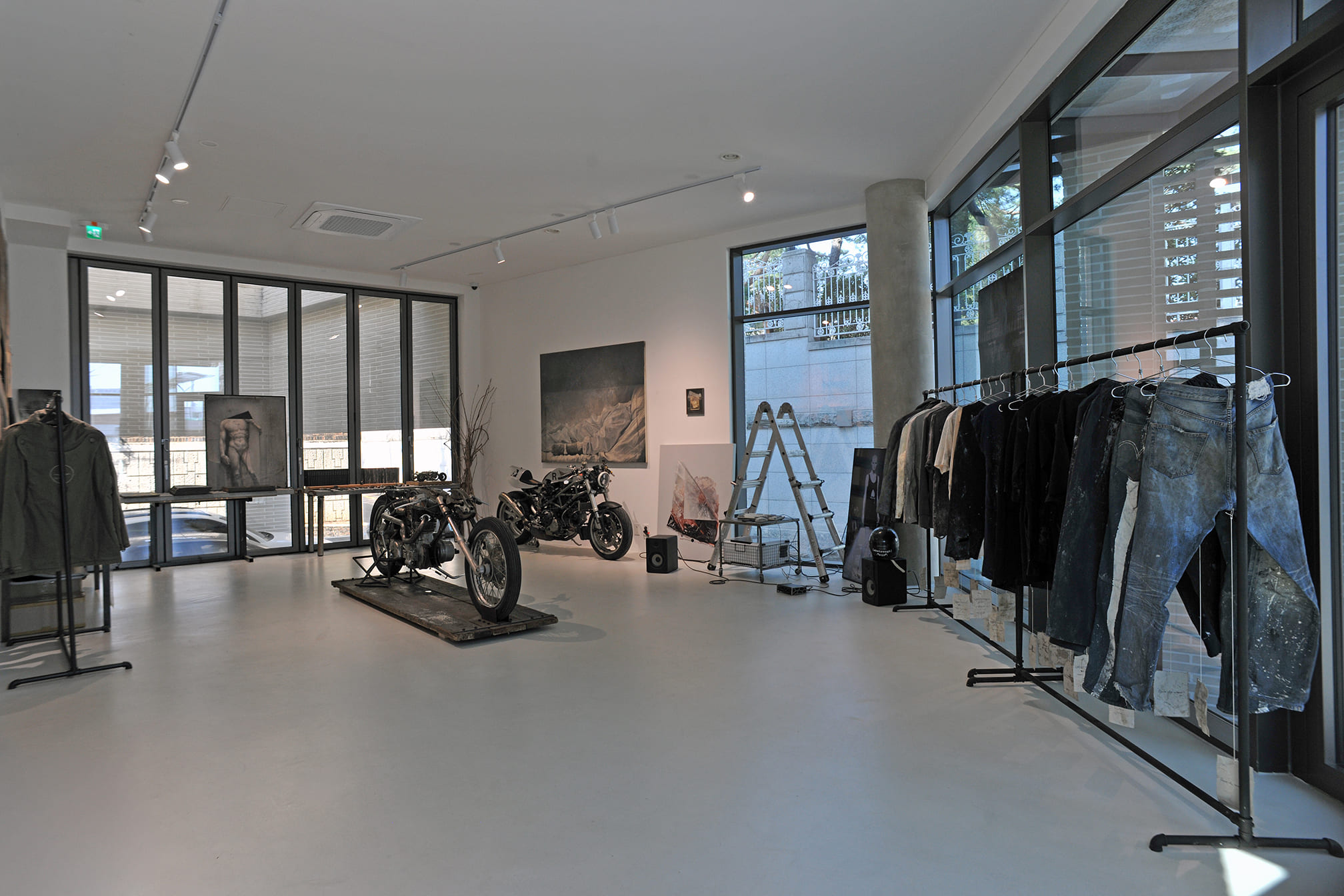
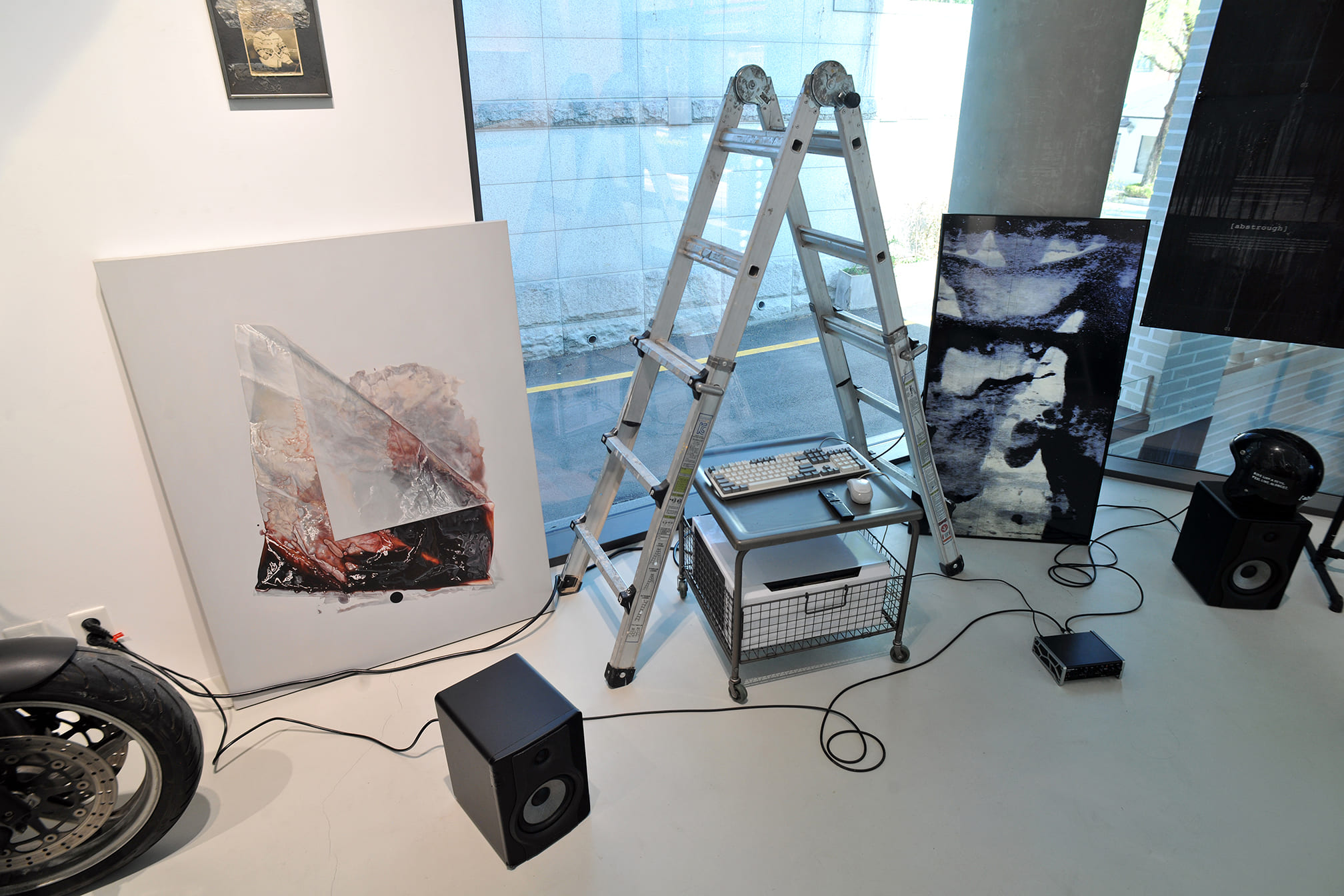

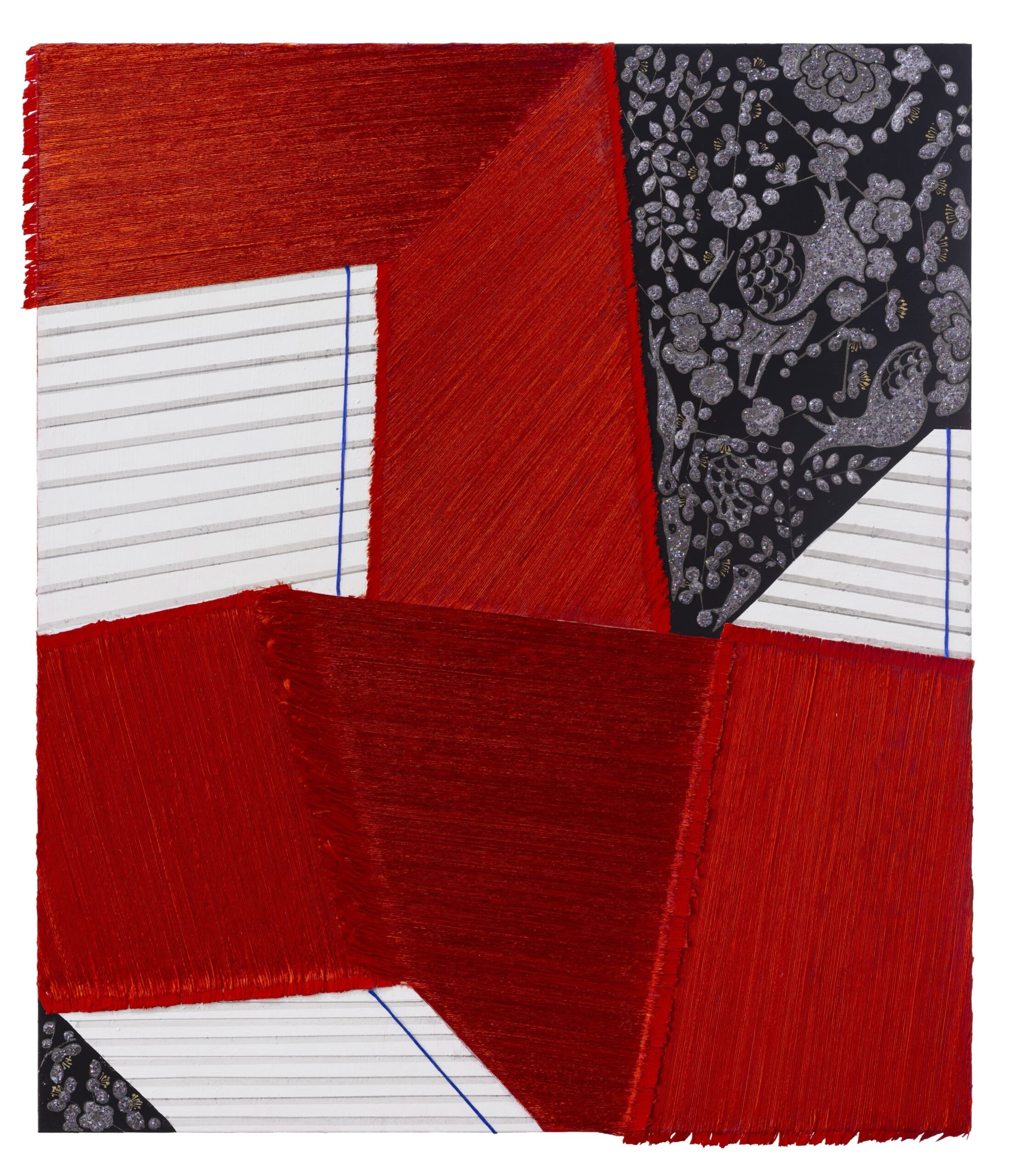
Between_mixed media on hanji_53x45.5cm, 2026
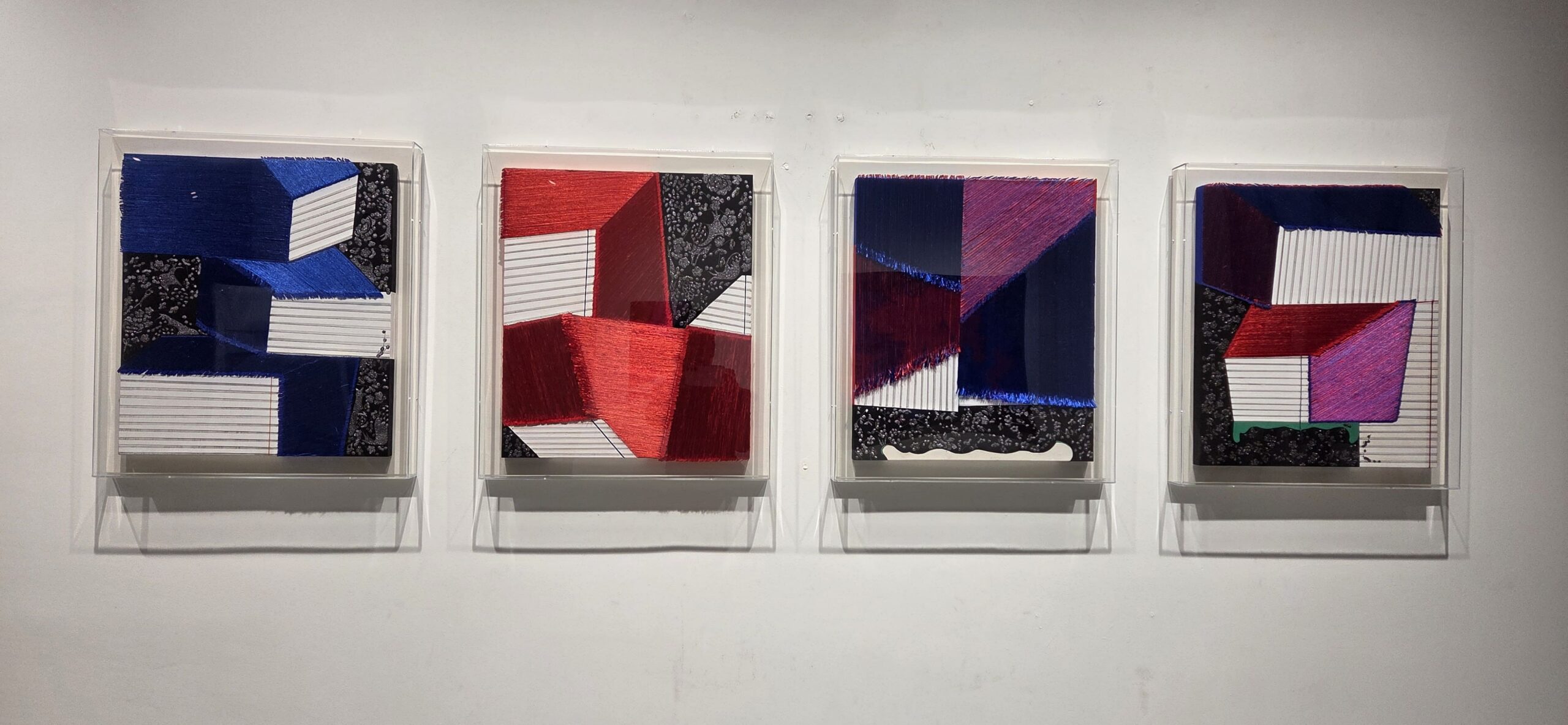
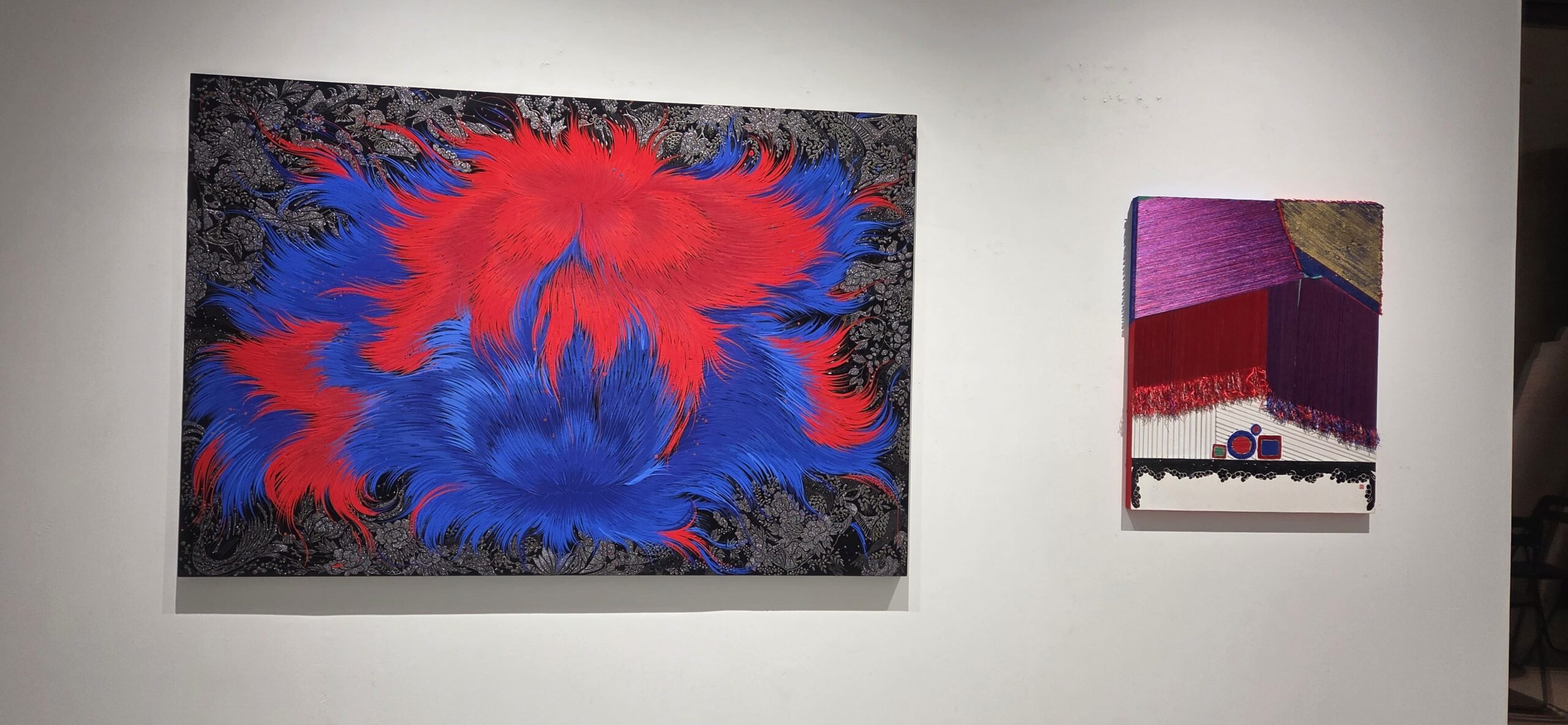
Introducing the latest leap in Sun-young Moon’s artistic journey: the new series, Between (Sai). Known for her constant reinvention, the artist has chosen “thread” as the medium that most intimately captures the landscape of her soul—a decision reached after a long period of profound contemplation.
Compared to her previous works—such as Begetmo (pillow end), Mother-of-Pearl Chaekgado, Natural Harmony, and Dancing Peony—this new direction marks a significant shift. Here, the artist moves away from external “geometric forms” to focus deeply on the internal “heart.”
While firmly rooted in the origins of Minhwa (Korean folk painting), Sun-young Moon refuses to be confined by tradition. Instead, she uses its essence as a springboard to soar with a sense of liberated sensibility and expression. We invite you to witness this soaring moment in her artistic evolution.

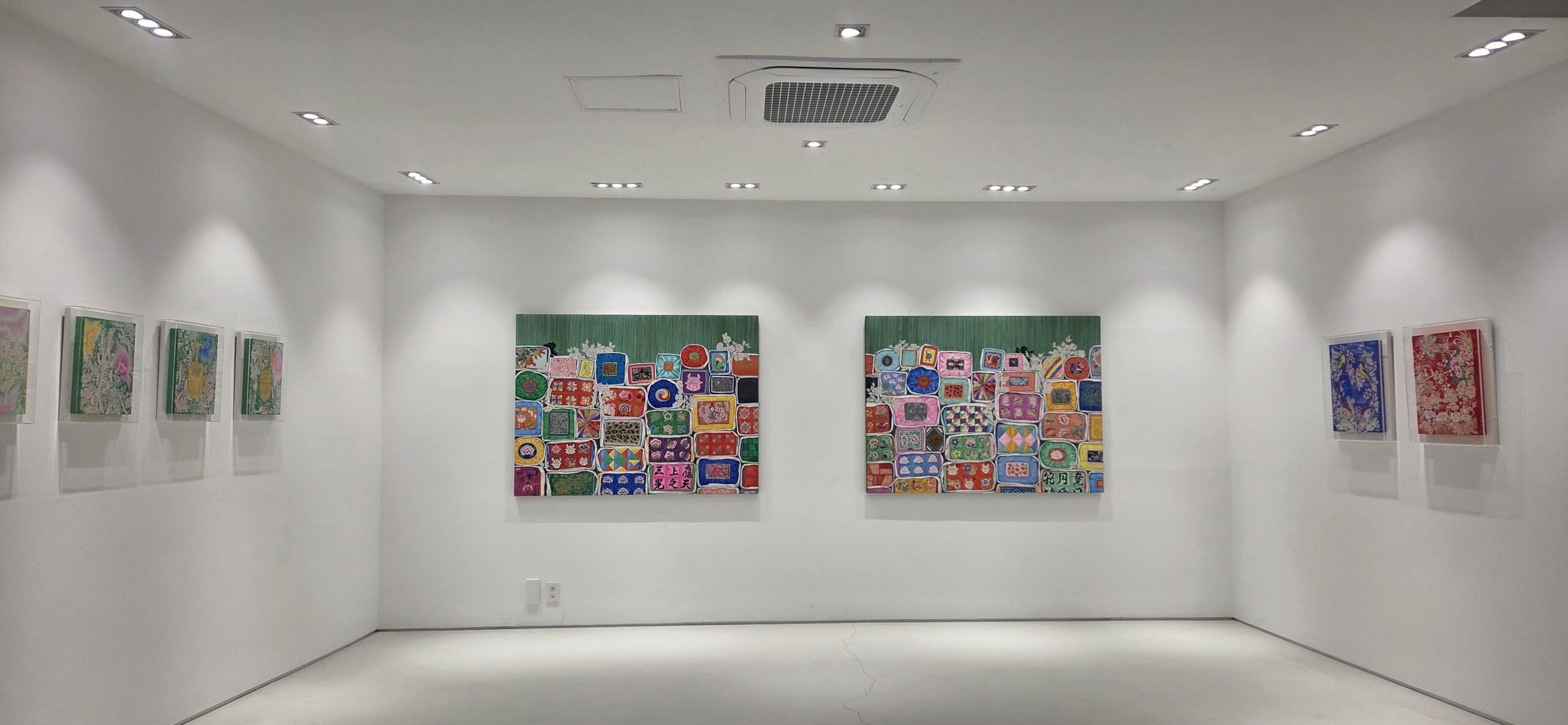
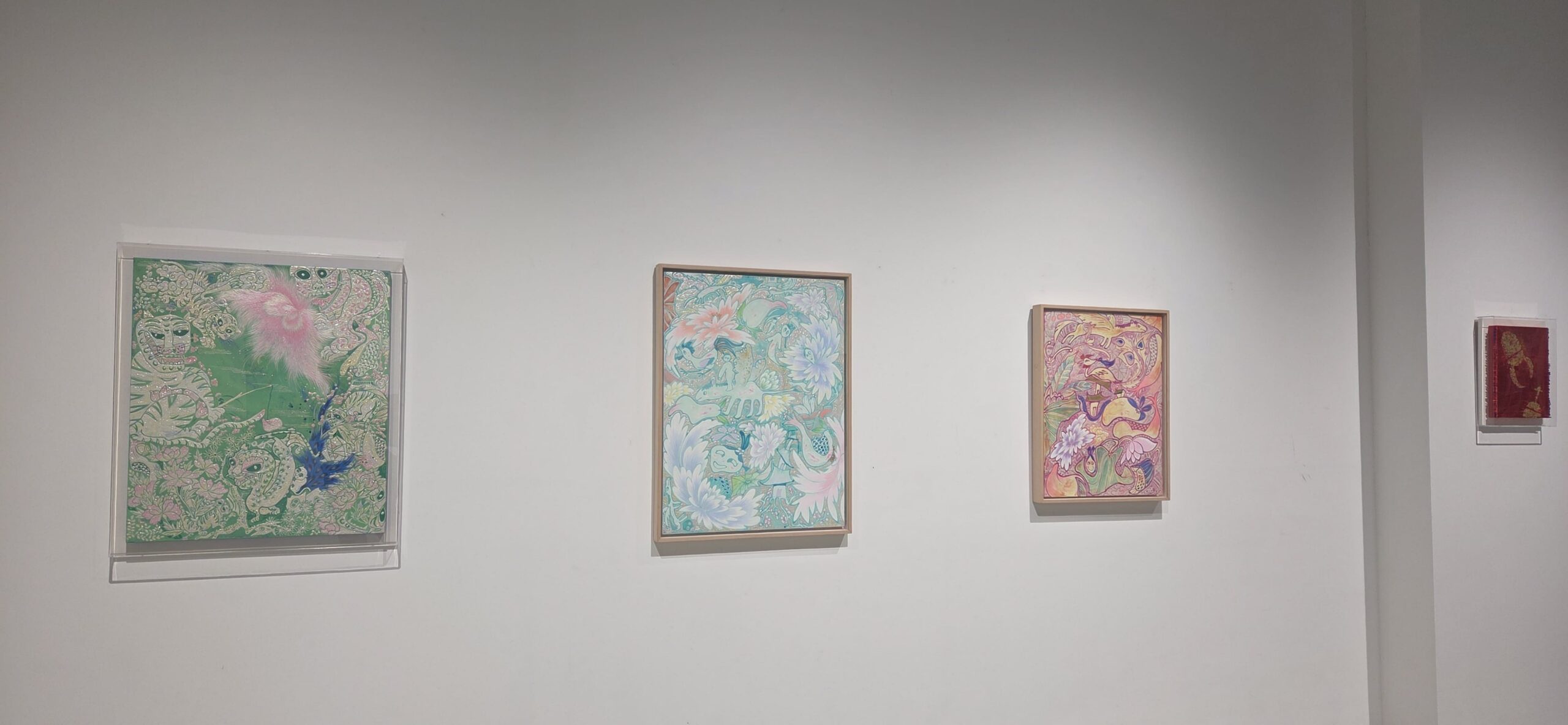

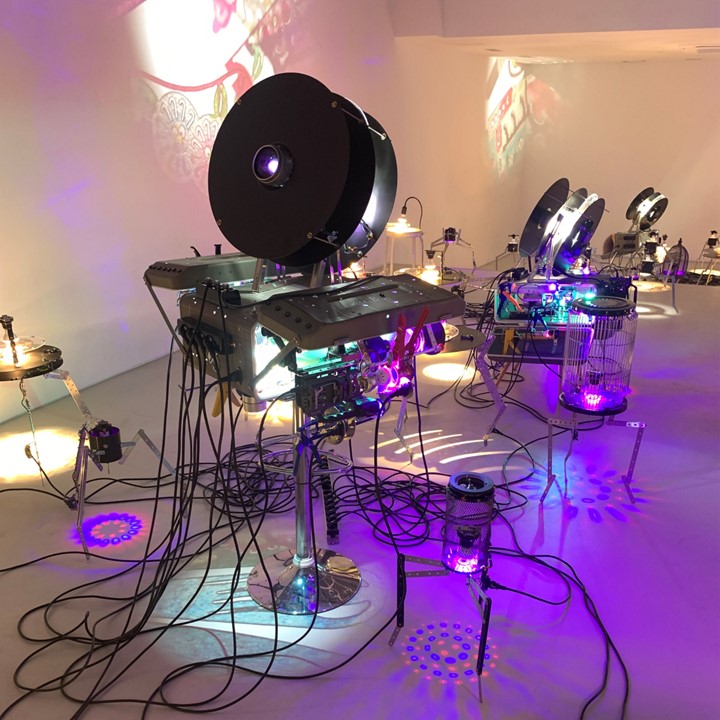
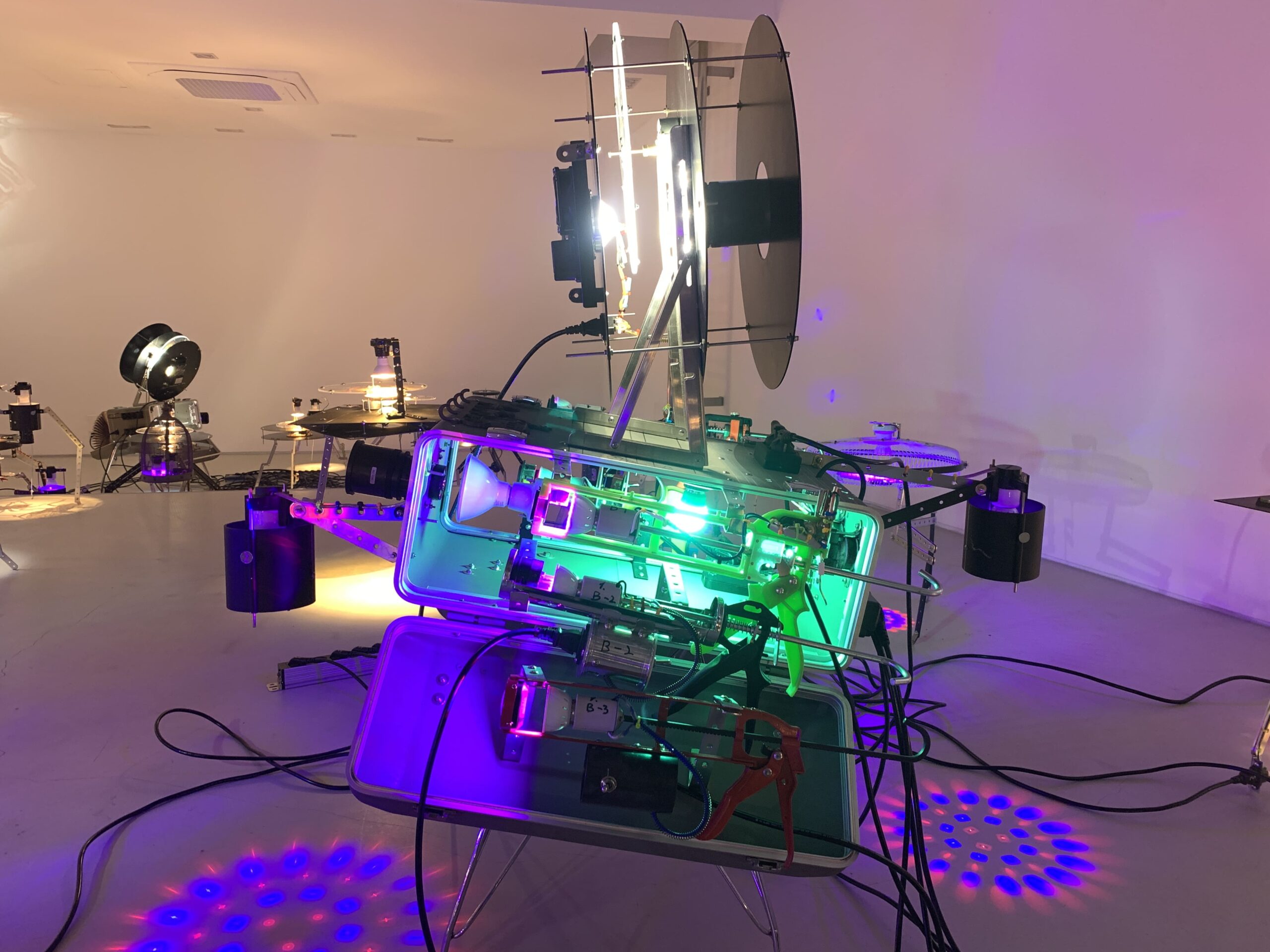
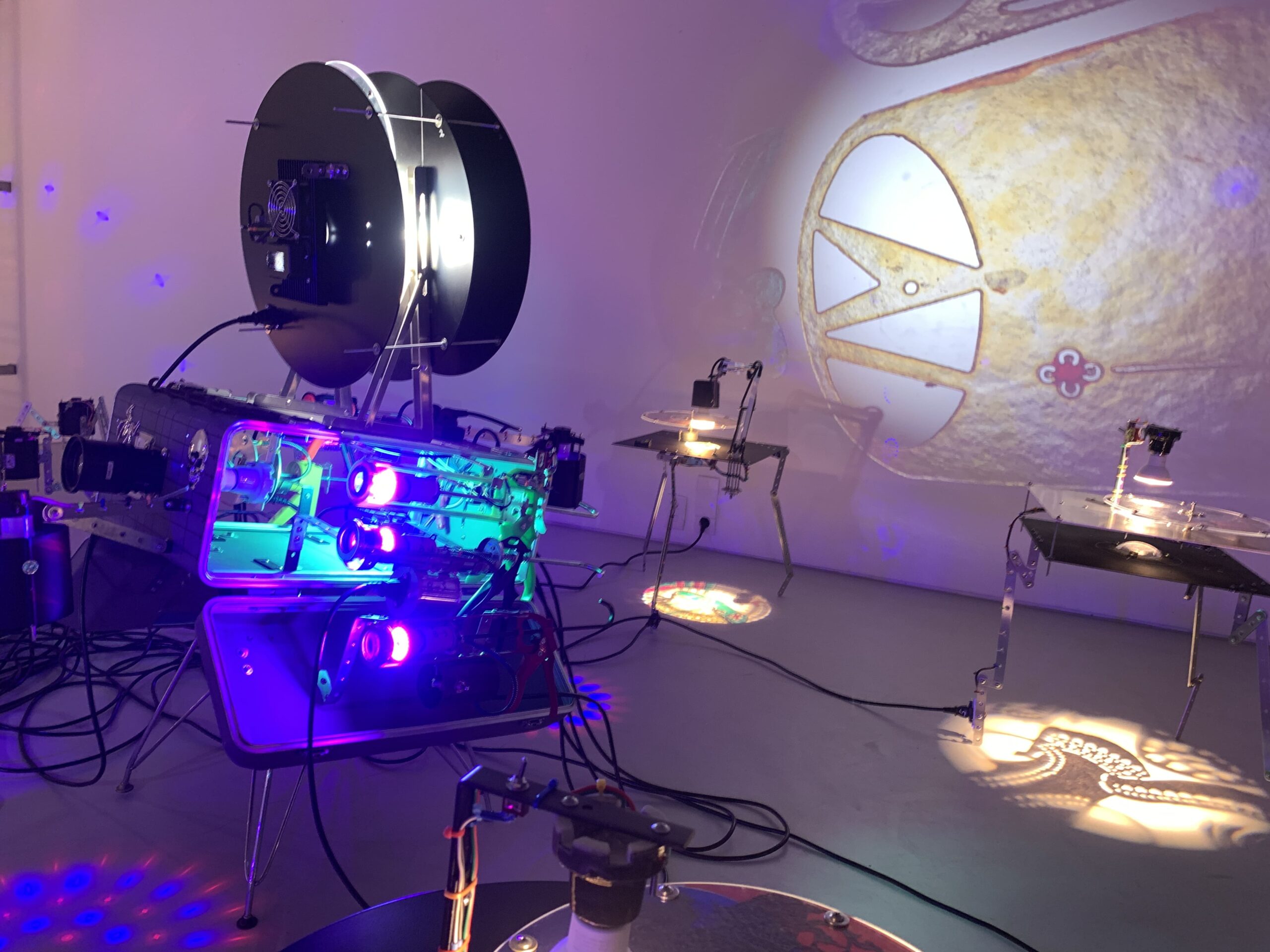
Hyung-Sub Shin’s solo exhibition, Mechanical Baroque, presents a series of mechanical apparatuses that traverse the boundaries between two pairs of mediums: sculpture and moving image, and lighting and cinema. Utilizing assemblages of lenses, light bulbs, motors, turntables, and shadow puppets, the artist shifts the focus of the exhibition away from the “playback” of images and toward the very conditions that allow an image to “emerge.”
In this exhibition, the moving image is not merely a projected result on a screen; it is an “event” generated within the physical relationship between light and machinery. Each apparatus occupies the space as a sculpture while simultaneously functioning as a projection device that produces cinematic time and motion. Through this process, sculpture transcends its fixed form to become a moving image, and the moving image expands beyond virtual representation into a sculptural entity possessing structure and weight.
Furthermore, Mechanical Baroque addresses the fusion of lighting and cinema as a central inquiry. Light does not serve as a secondary effect applied to an object; instead, it functions as a primary subject that creates narrative, rhythm, and duration. The “screening” is not a repetition of pre-edited footage, but an ongoing, present-tense process that constantly evolves through the subtle friction between the exhibition environment and the mechanical devices.
Through these excessive structures and overlapping movements, the artist reveals a time and space that folds and unfolds like Baroque pleats. As an experiment into “pre-cinematic cinema” and “post-sculptural sculpture,” Mechanical Baroque re-examines the very mode of image production within the contemporary media landscape.
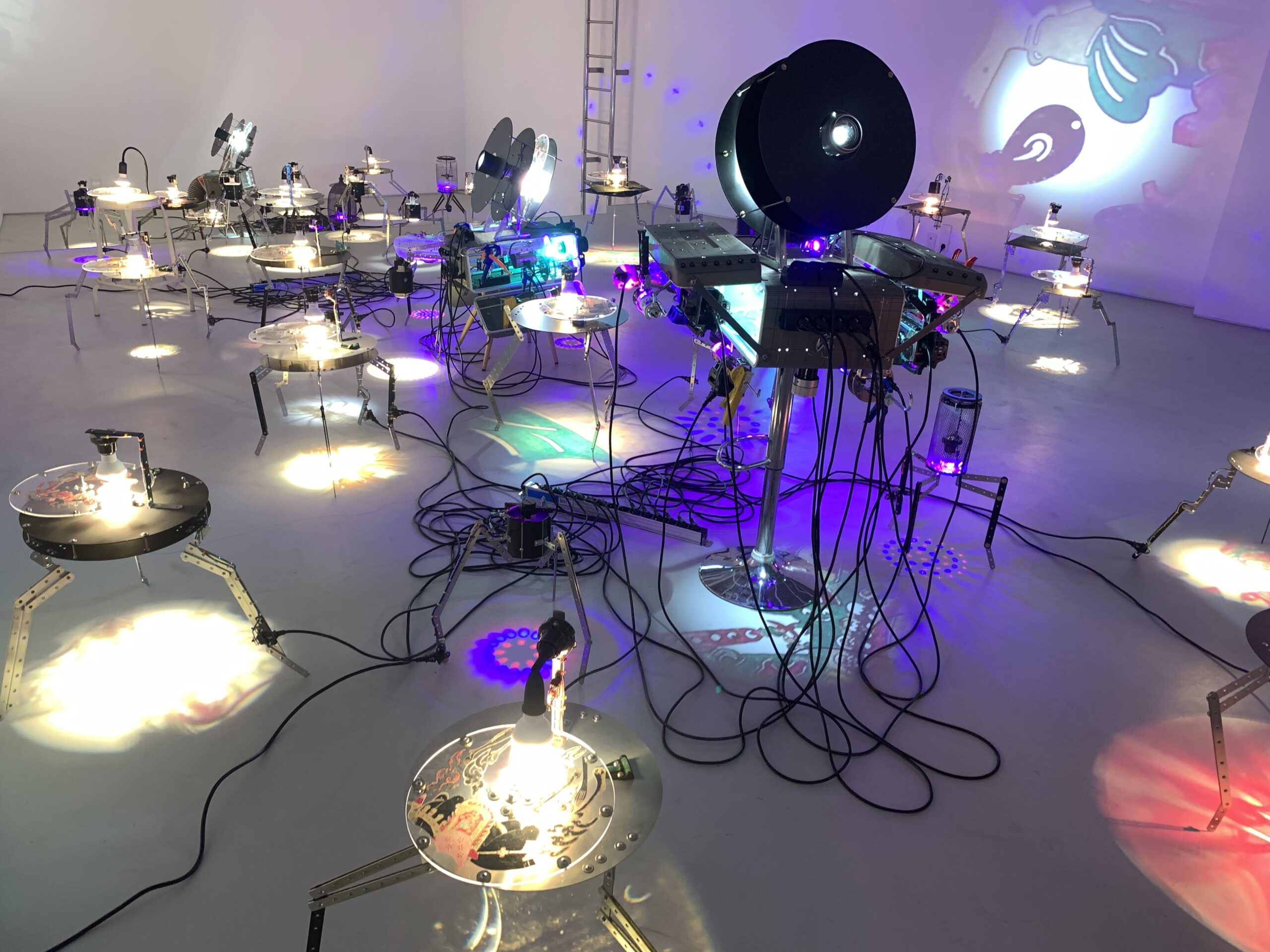

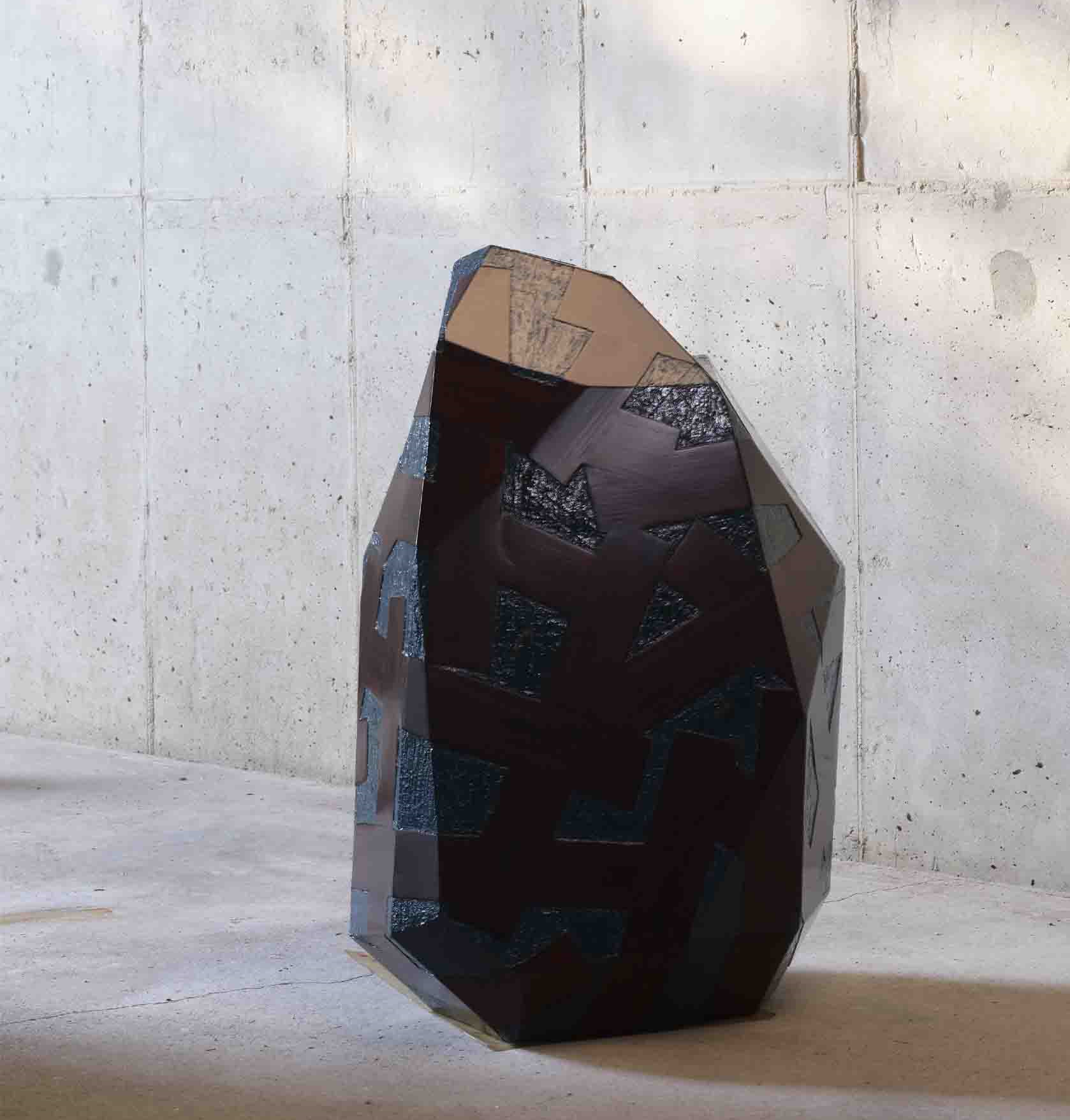
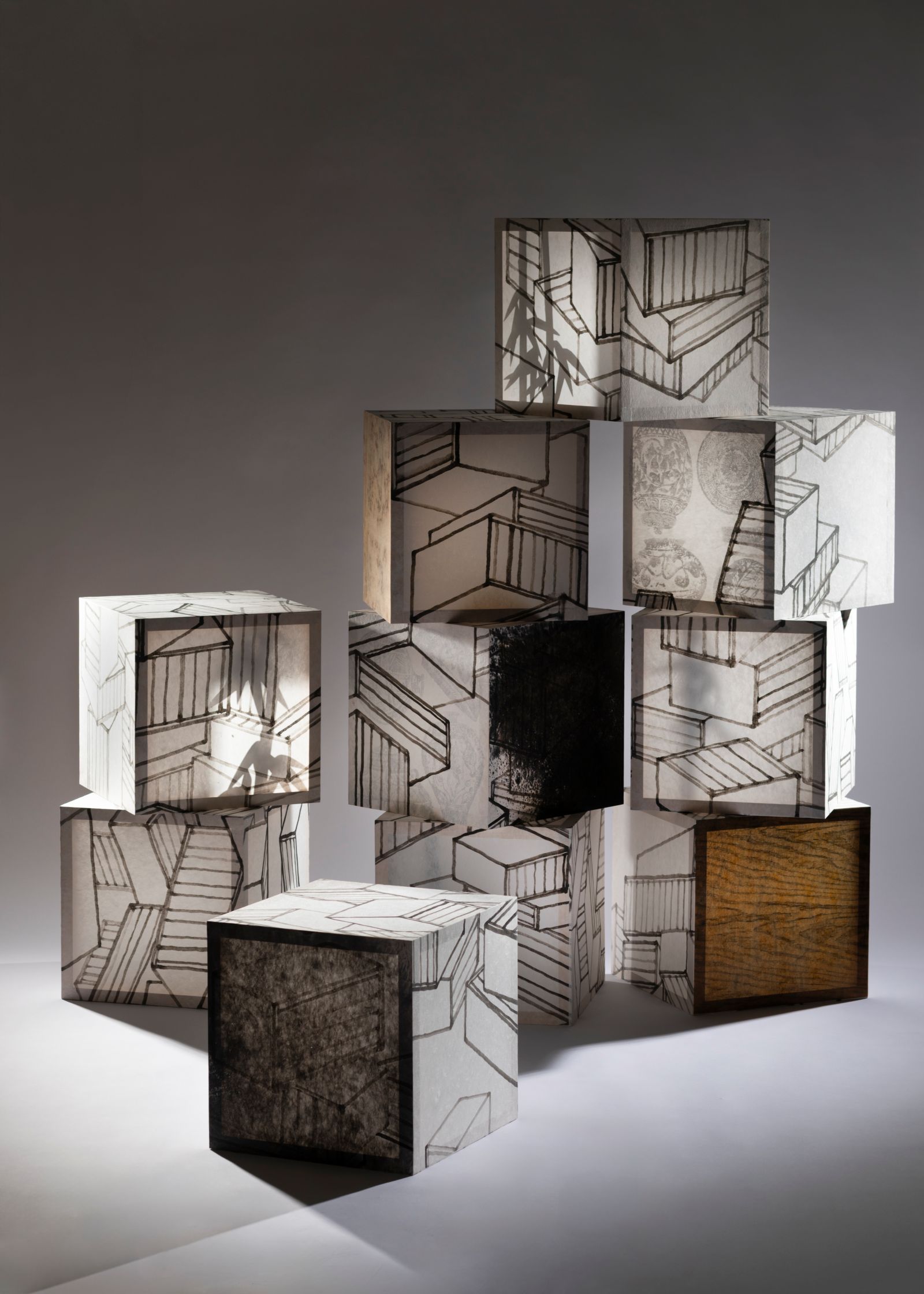
Monolith_larch, hemp fabric, ottchil_670x1030mm_2026
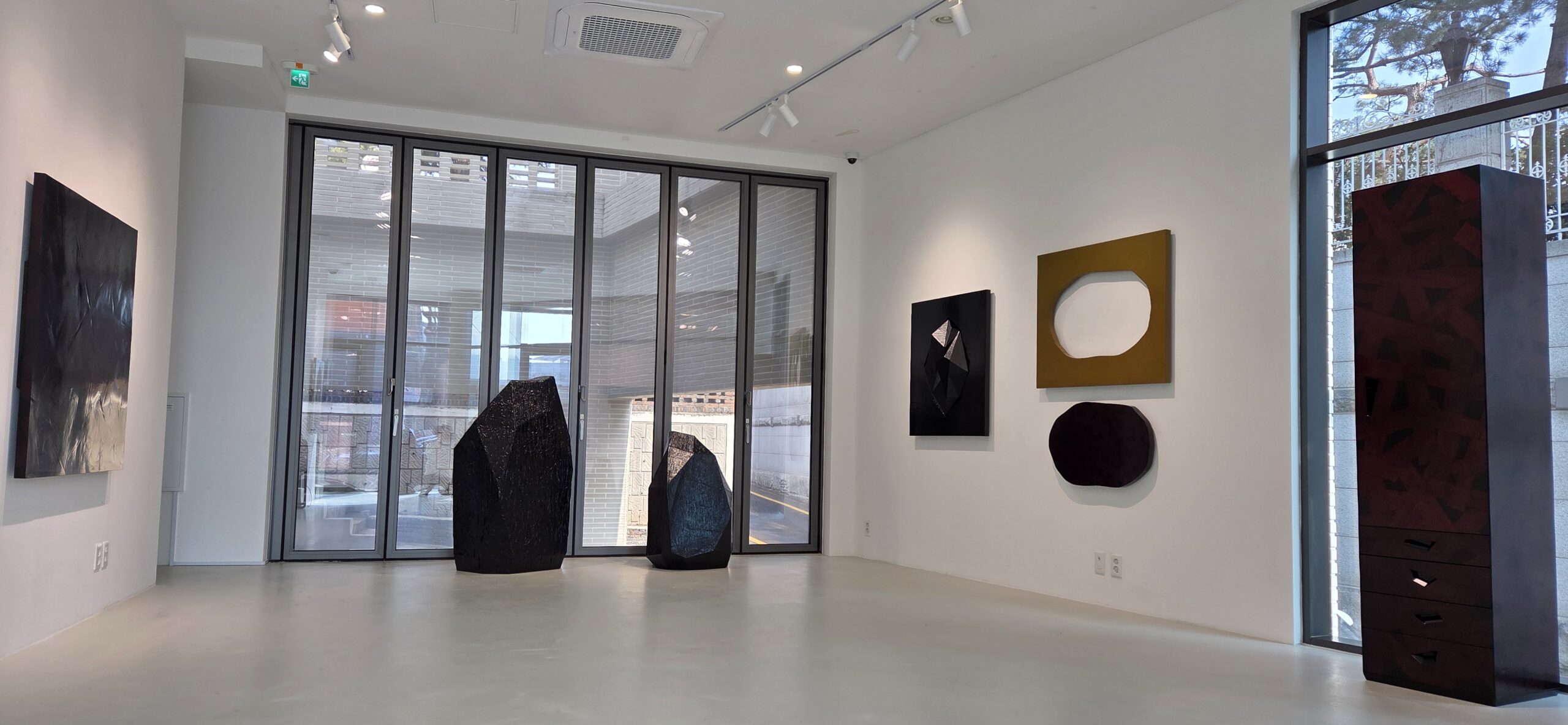
Yong-jun Jang, who has relentlessly explored his own “artistic language” through the long-standing practice of Ottchil (traditional lacquerwork), has titled his first solo exhibition <Monolith>.
The title stems from his realization that the human longing for eternity — often embodied in man-made monuments or markers—is merely trivial and ephemeral when viewed from the perspective of the universe and infinity. Consequently, the artist presents works in the form of a “Monolith” that appears strikingly alien to our reality, contrasted against traditional monuments. Rather than choosing stone or other durable materials, he deliberately selected wood — a material that is fragile and easily fades away.
Yong-jun Chang, who finds himself more moved by a nameless wooden cross (Bimok) commemorating the many who have vanished than by a stone monument honoring a single soul, quietly poses questions about eternity and extinction, solidity and fragility, stone and dust, and the very limits of existence.
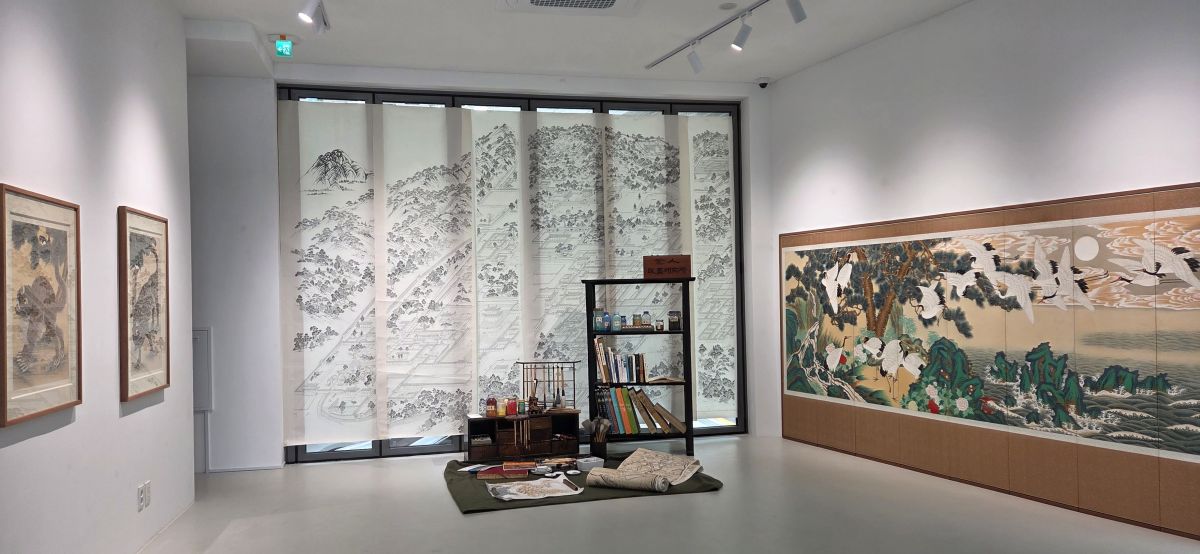
We cordially invite you to the first exhibition of 2026 at OMAE Gallery.

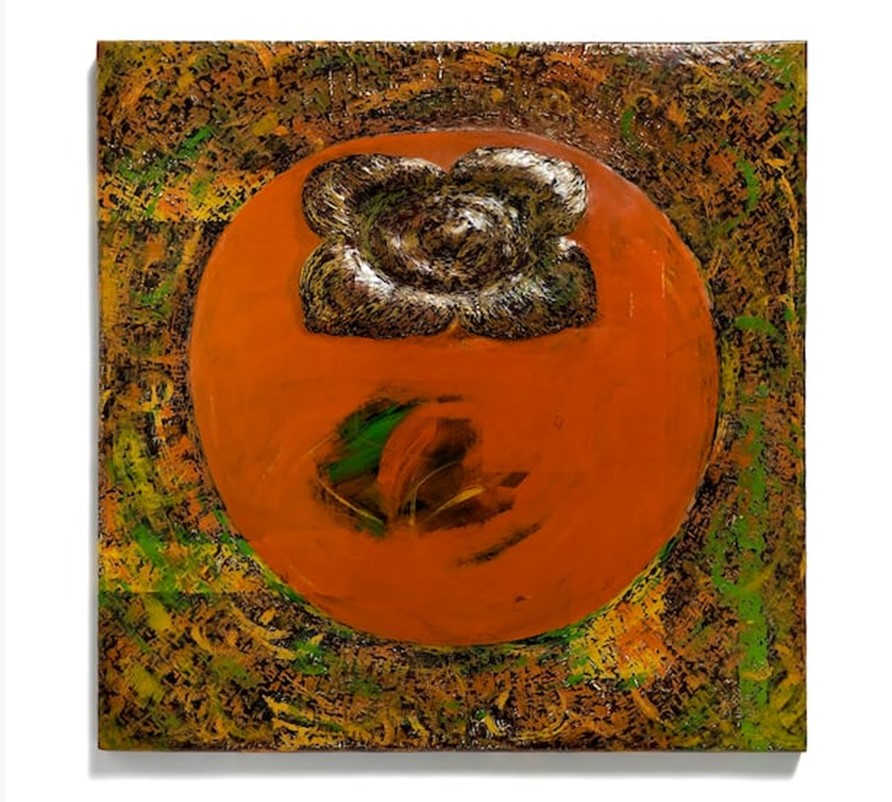
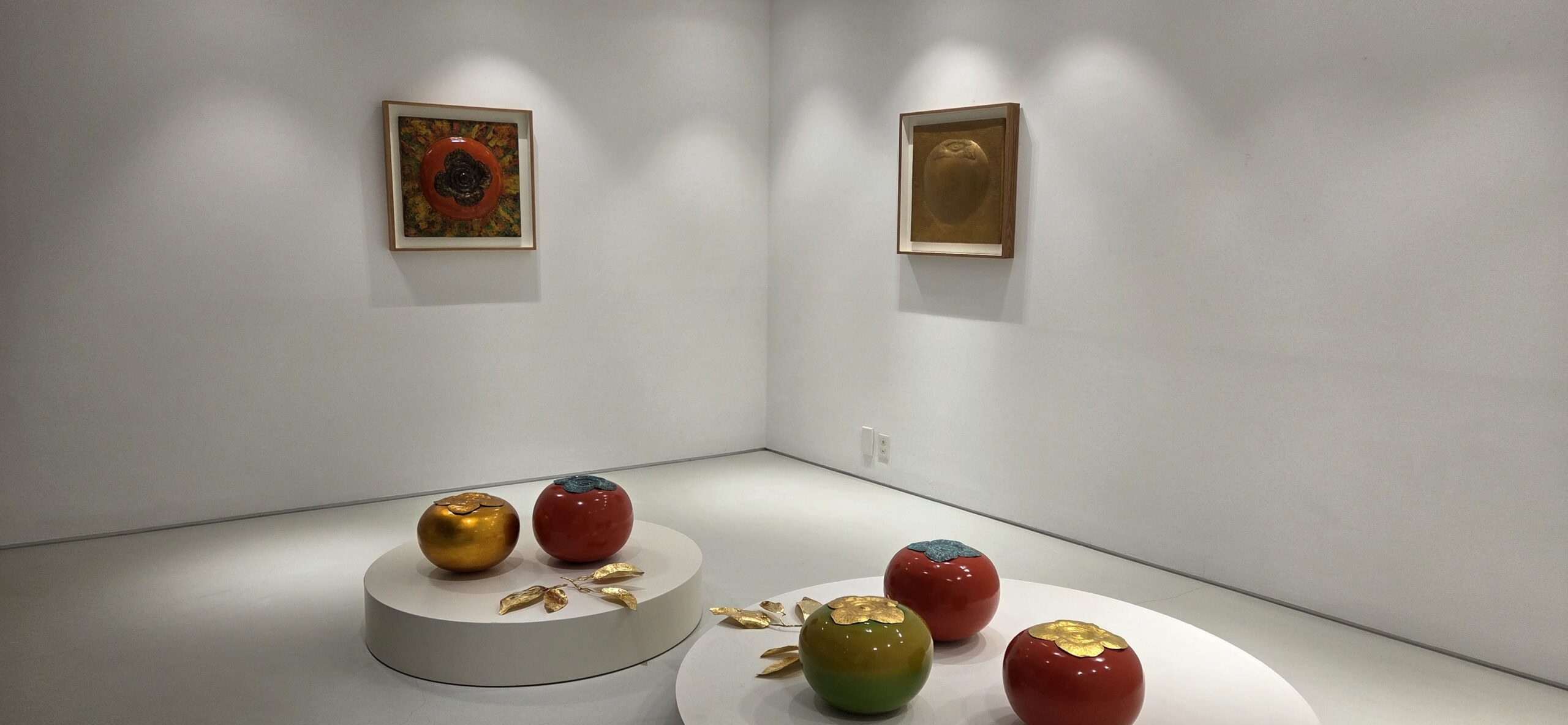
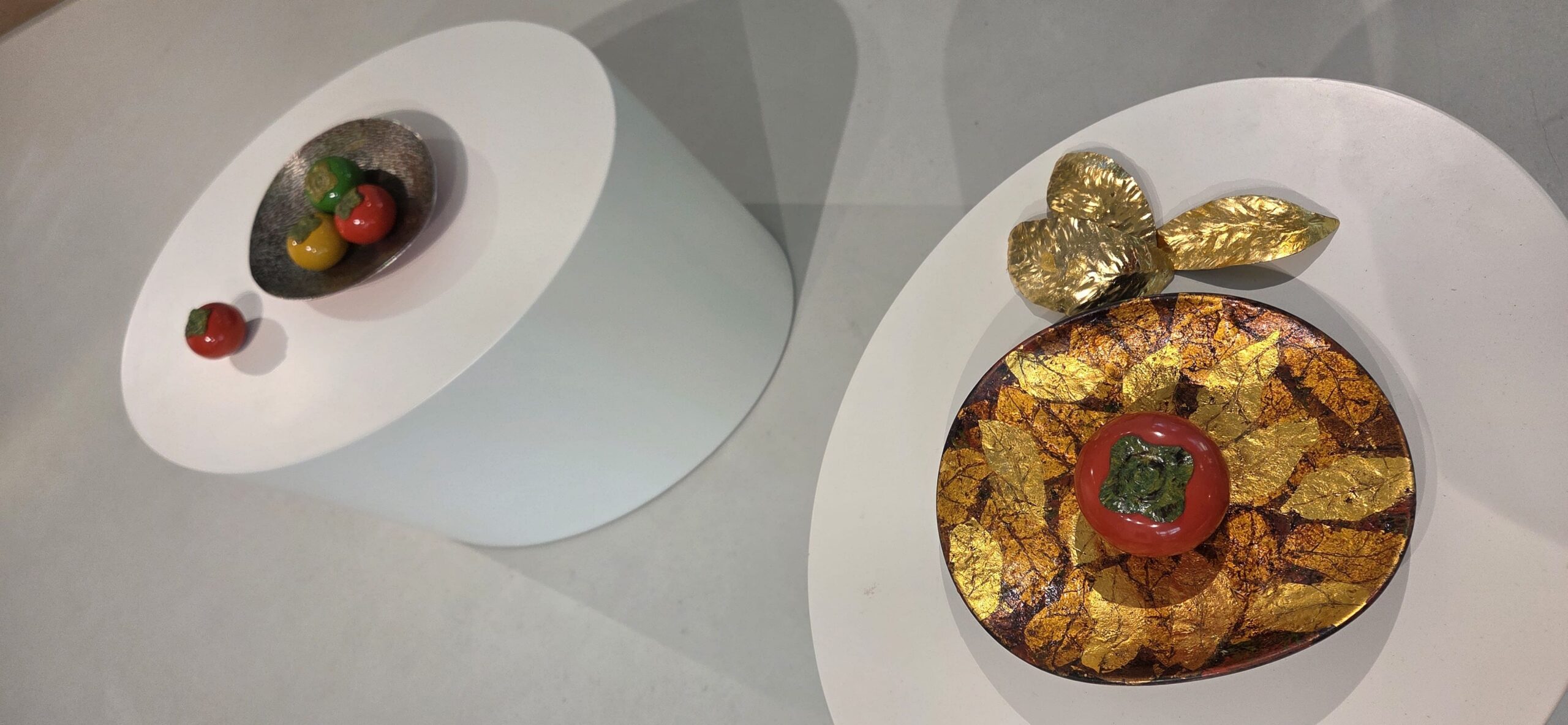
Ripe Persimmon 2025, brass, ottchil, 48x48x4cm, 2025
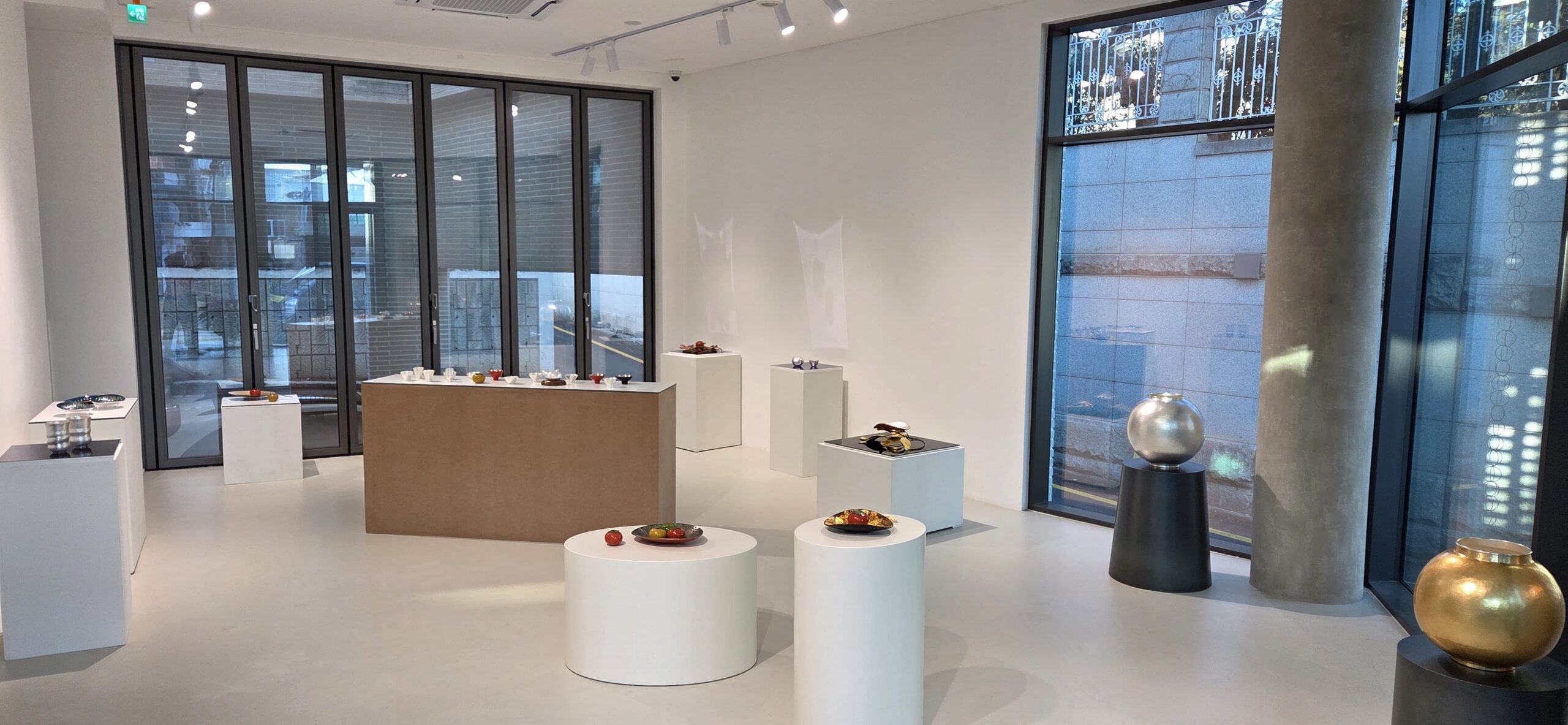
Professor Do-sik Seo, a long-time educator and researcher in metal crafts at Seoul National University, has continuously reinterpreted the beauty of nature in everyday life through refined forms. The exhibition “In December’s warmth” held at OMAE Gallery, presents a concise glimpse into his recent body of work, focusing on the warm motifs of persimmons and birds while capturing the essence of metal’s warmth and the depth of time.
On the first floor of the exhibition, tableware and interior decorations inspired by natural forms create a serene atmosphere. Bowls and cups shaped like birds, along with a tray holding ripe persimmons and a light, evoke the childhood winter landscapes and sensory memories that transcend the cold nature of metal. The artist’s delicate sense of form and warm emotions blend harmoniously, unfolding the space into a lyrical landscape.
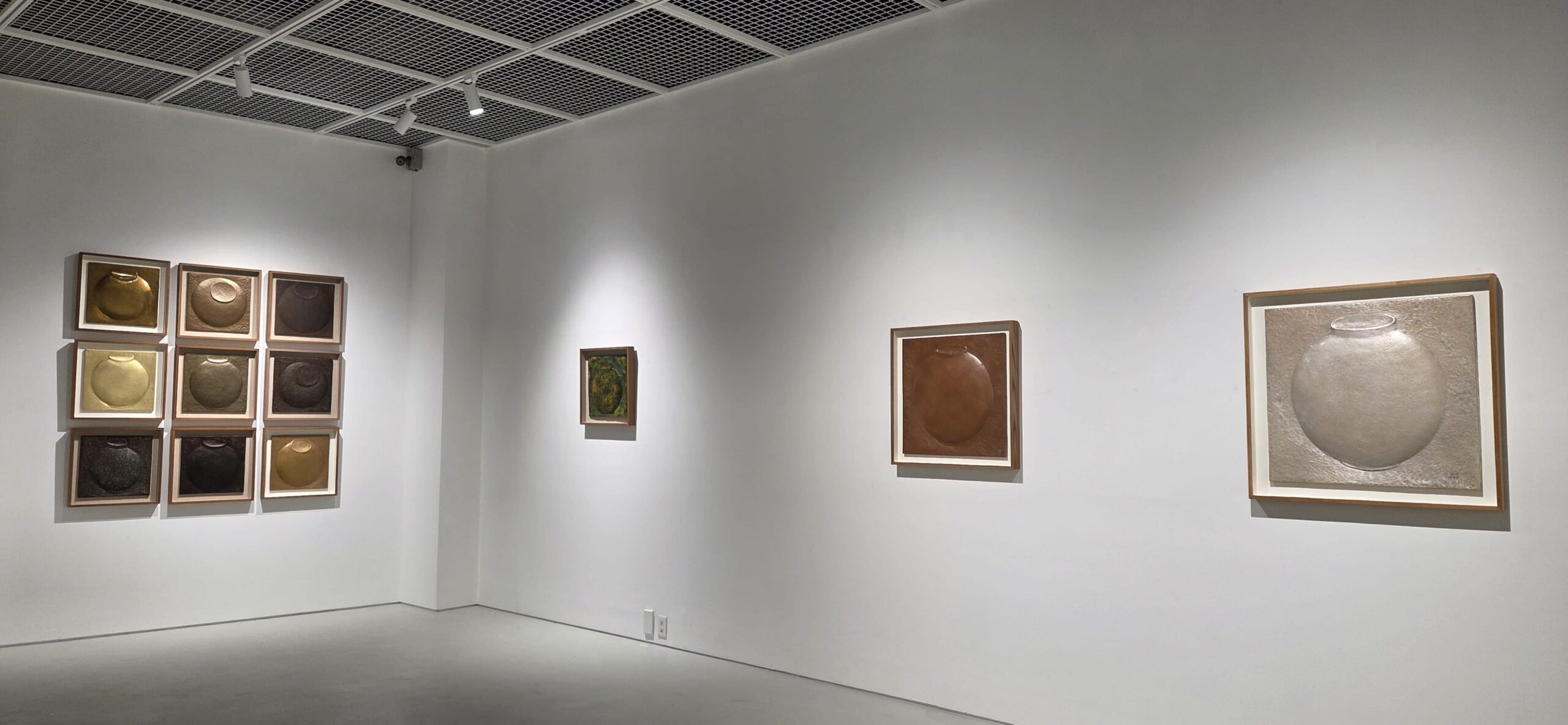
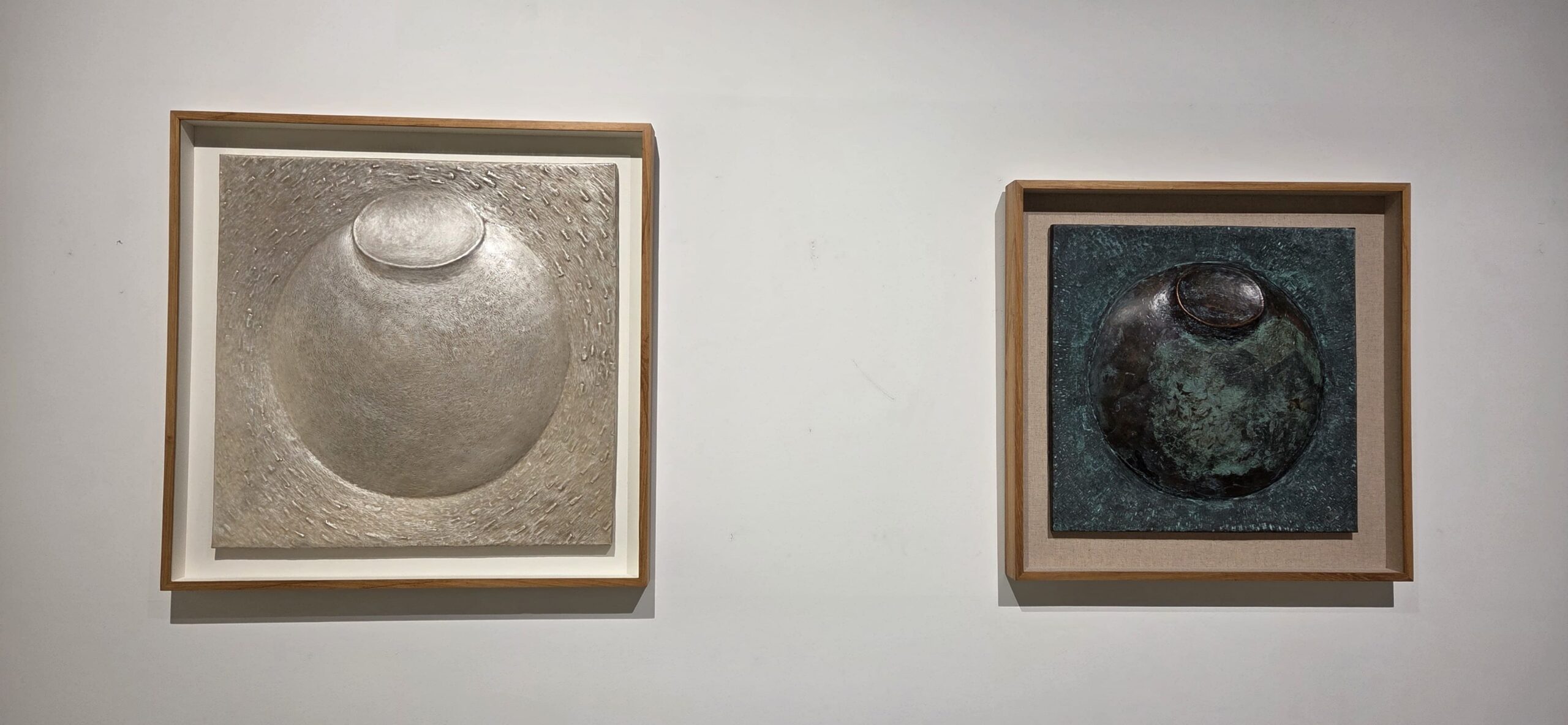
In the underground exhibition space, Do-sik Seo’s series of metal jars, which he has concentrated on in recent years, is prominently displayed. The exhibition features large persimmon installations embodying the theme, alongside metal jars and relief works that engage in a quiet dialogue through their textures and tones. Viewers will witness the refined techniques of metal surface manipulation, bold uses of lacquer colors, and a deep understanding of materials.
Since his retirement in 2021, Professor Seo has consistently held solo exhibitions, firmly establishing his unique sculptural identity rooted in his extensive mastery of metalworking techniques. His work encapsulates emotions, humor, and the simple beauty of nature within the solid substance of metal, offering viewers a warm invitation in December.