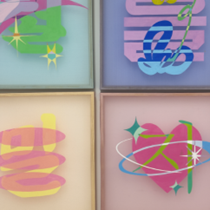
Translucent slogans and signs

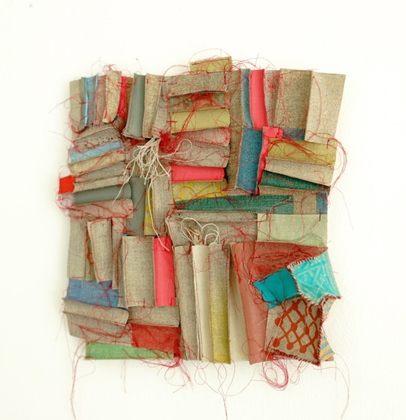
In this exhibition, the artist reinterprets the assertive language often found in protest slogans by stripping them of their original context and reconstructing them through aesthetic and spatial compositions. Bold, primary-colored slogans—typically intended to demand attention—are softened and fragmented on translucent silk, preventing them from fully penetrating and instead allowing them to reverberate ambiguously. Slogans collected from the Sewoon District and familiar everyday symbols are reorganized into sculptural, visual arrangements that defy conventional reading and grammar. Through this process, meaning becomes fluid, unsettled, and open to reinterpretation.


Building on previous works involving site-specific performances and video, where domestic gestures such as sewing or grinding met institutional or public spaces, this exhibition shifts focus to the intersection of place and text. The fragmented words are no longer just read—they are inhabited. Installed as semi-transparent, dimensional structures in real urban settings, these textual sculptures lose, exaggerate, or transform their meanings. When placed in overlooked or contested spaces, such as those in the Sewoon District, these delicate installations prompt reflection on the relationship between language, memory, public space, and collective experience.

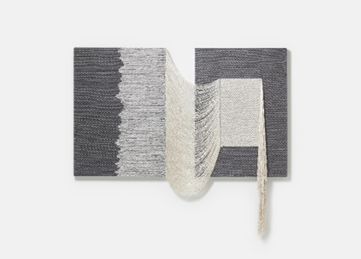
 

The Traces of Inertia

The Traces of Inertia explores how language, stripped from its original context, can shift in meaning when reassembled through form and space. Protest slogans and everyday signs are fragmented and arranged on translucent silk, their assertive tones softened and made ambiguous. By removing the urgency of their original use, the artist invites viewers to consider the fluidity of language and the ways in which aesthetic order can obscure or transform intent.


Moving from earlier performance and video works focused on gestures in public spaces, this exhibition brings text into physical form. Installed within urban environments, these silk-based structures interact with the texture of place, creating tension between visibility and disappearance. The Traces of Inertia reflects on how traces of resistance, memory, and repetition linger quietly in both language and the spaces we inhabit.


Drawn into the Line

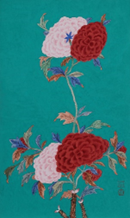
Drawn into the Line traces the artistic journey of Seonmi Kim, who began in ceramics before immersing herself in the world of Korean folk painting (minhwa). Captivated by the spontaneous lines found in buncheong pottery, she pursued the origins of such expressive gestures—only to find herself in the rigorously controlled realm of royal decorative painting, where precision in line and color was paramount. Her technical mastery culminated in the award-winning Horyeopdo (Tiger Hunting Scene), yet even this success could not quiet her longing for freedom. The formal structures that had once disciplined her hand began to feel confining, and she found herself drawn once again to the intuitive, the imperfect, the alive.


In this new body of work, Kim steps away from ornamental perfection and returns to the raw vitality of the line. Influenced by Taoist philosophy, she embraces the paradox of great skill appearing unskilled (大巧若拙), letting go of control to allow spontaneity and sincerity to emerge. Her lines, though simple, carry the weight of repetition, devotion, and an evolving visual consciousness. Drawn into the Line marks not only a stylistic transition, but a philosophical one—toward a practice that values clarity through imperfection, and grace through letting go.


The moon is filling – let’s go.

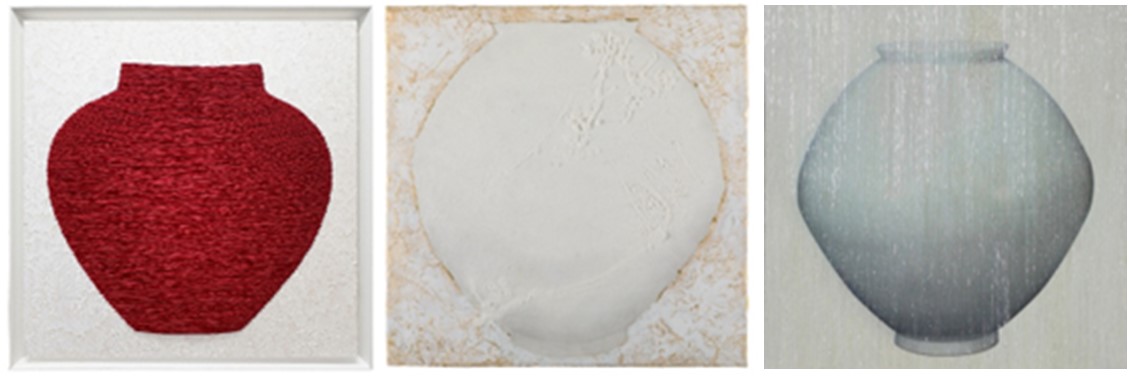
OMAE Gallery opens its 2024 program with a powerful group exhibition featuring three distinguished Korean women artists: Kim Sooncheol, Seo Sooyoung, and Jung Hyunsook. Titled “The Moon Is Rising—Let’s Go”, the show draws inspiration from a song by Jang Kiha, capturing a sense of renewed determination—a fitting energy for the early new year when resolutions often begin to fade. Each artist brings her own vibrant material language—Kim with thread on hanji, Seo with gold leaf on hanji, and Jung with mother-of-pearl and crystal. Despite the diversity of media, their works are united by a shared thematic core: the expression of hope, prayer, and personal yearning.


In Korean culture, the moon is more than a celestial body—it symbolizes deep wishes, silent prayers, and the cyclical rhythm of the universe. These artists visualize such sentiments through vessel-like forms that resemble traditional jars, yet evoke something far more expansive: inner desire and cosmic continuity. As the moon rises, so too does the call to act, to begin again. Through this exhibition, we invite viewers to absorb the full and glowing energy of these works—an invitation to reignite purpose and step forward with clarity and strength.

Ottchil, Fascination

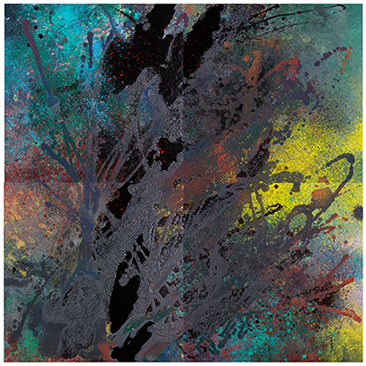
From December 18, 2023 to January 12, 2024, OMAE Gallery presents a solo exhibition by artist Jeoung-eun Kim, showcasing her deeply luminous lacquer paintings (ottchil-hwa). As the year turns and the days grow shorter, the rich, natural radiance of traditional Korean lacquer resonates even more profoundly. This is the season when the quiet depth of ottchil—derived from nature—reveals its most poetic beauty.


Kim’s works are a vivid celebration of color. Her canvases shimmer with a surprising range of hues, transforming memories long folded away into fragrant, vibrant narratives. Through her mastery of lacquer and her intuitive sense of color, Kim invites us to step into a world where darkness holds light, and forgotten emotions bloom anew. It is, quite simply, a captivating experience.

The Web

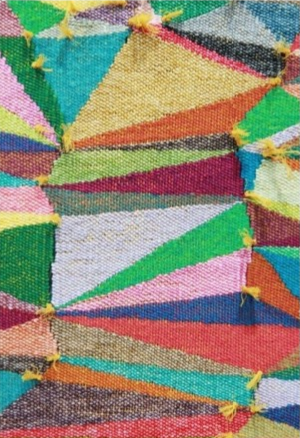
Seung-hye Shin’s work explores the unfamiliar energy and beauty that arise from the interplay of multiple emotions and elements. At the heart of her practice lies an ongoing investigation into human relationships—those intricate, paradoxical forces we both seek out and strive to escape. For Shin, relationships are not fixed states but dynamic tensions, marked by attraction, resistance, and transformation.


She views the world as a vast web—one in which we are all entangled, whether comfortably nestled within its threads or struggling to break free. These webs mirror the fragile patterns of connection in our lives: sometimes carefully maintained, sometimes swept away in an instant. Through her art, Shin embraces this cycle of formation and loss, offering a visual meditation on the delicate, ever-shifting structures that define our existence.


Across the Universe

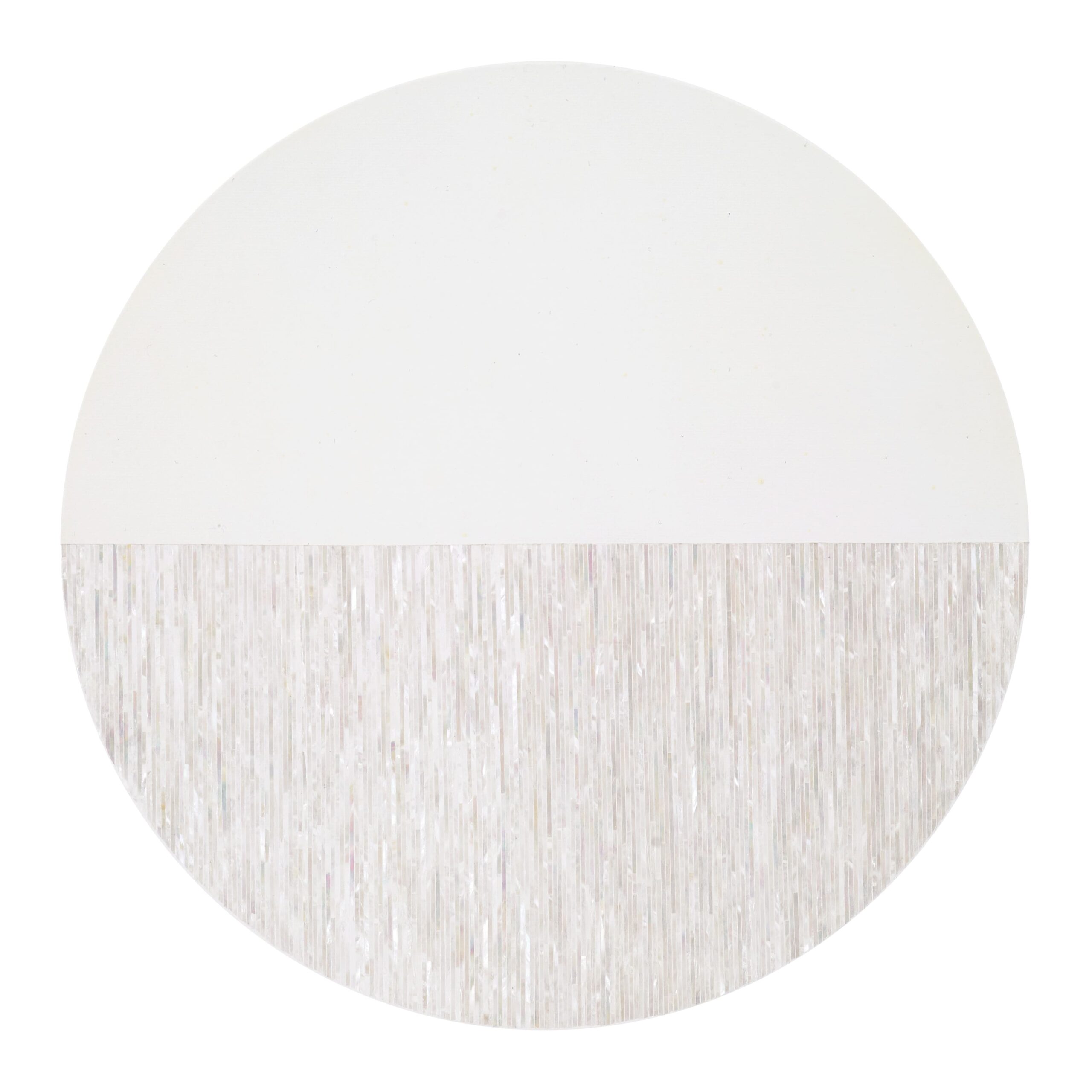
Yu-young Eun paints the meeting point of reality and eternity, matter and spirit. In her work, mother-of-pearl functions as both material and particle, continuously generating waves of iridescent light through its interaction with illumination. Through this, the artist seeks to convey a wide spectrum of colors and sensations to the viewer.


The interaction of mother-of-pearl serves as a visual bridge between the physical and spiritual realms. The works offer varying experiences depending on the viewer’s gaze and shifts in light, inviting each person to form their own emotional and interpretive response.


These pieces are characterized by their indeterminate and transformative nature, suggesting a constant evolution beyond the constraints of time and space. This conceptual framework connects the work to a dynamic “void,” opening the door to infinite possibility.


Transcending the limits of materiality, Eun’s work evokes a cosmic atmosphere and encourages metaphysical reflection. Through her art, she gracefully expresses complex ideas, offering viewers a sensory experience and a space for profound contemplation.

Time – Chapter 3

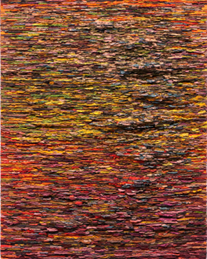
OMAE Gallery presents Time – Chapter 3, a solo exhibition by Eun-jung Choi, opening in October 2023. Known for her dedication to visualizing the intangible nature of time, Choi continues her exploration through a vibrant new series of relief works created with layered Korean hanji paper. This chapter marks a deepened focus on color and material, as she moves beyond the dyed papers and mixed media of her earlier phases to work exclusively with colored hanji. The result is a richly textured body of work that captures the passage of time in tactile, abstract forms—each piece a meditative study in rhythm, density, and depth.


Choi’s artistic evolution can be traced across three chapters: from her early organic depictions of waves, mountains, and wood grains in Chapter 1, to the more abstract, minimalist expressions of temporal flow in Chapter 2, and now to the vibrant material poetry of Chapter 3. Her process—daily soaking, kneading, and layering of hanji—is as meditative as it is physical. These accumulated layers hold not only visual weight, but also the traces of her lived time, embedded with personal reflection and creative labor. Her art is, in essence, a quiet but powerful embodiment of time itself—formed by hand, one layer at a time.


Fortune – The Thread of Connection

Minhwa, or Korean folk painting, has emerged in recent years as a vibrant genre that not only reflects everyday life but also contributes to defining the identity of contemporary Korean art. Once considered a modest form of visual expression, minhwa now commands growing attention and debate as artists reinterpret its themes with new relevance. Jung-eun Nam’s work fits firmly within this evolving conversation. Drawing inspiration from traditional munjado—particularly the character (bok, meaning “blessing” or “good fortune”)—she explores its symbolic potential through personal interpretation and visual reinvention. Her approach departs from rigid stylistic imitation, instead treating characters as sculptural elements rich with everyday significance and emotional resonance.


Nam’s works are rooted in warmth, sincerity, and a deep engagement with human connection. Through the motif of silk threads, she evokes the concept of inyun (karma or destined relationship), weaving together ideas of fate, intimacy, and continuity. In combining the character bok with symbolic strands of thread, the artist creates a layered visual language—one that fuses blessing with connection, tradition with transformation. Her reinterpretation of minhwa is neither nostalgic nor rebellious; rather, it is a respectful yet bold evolution, balancing inherited forms with contemporary meaning. This exhibition invites viewers to witness the unfolding of tradition not as fixed heritage, but as a living, breathing dialogue between past and present.


Fortune – The Thread of Connection, color on wood, 118x75cm, 2023